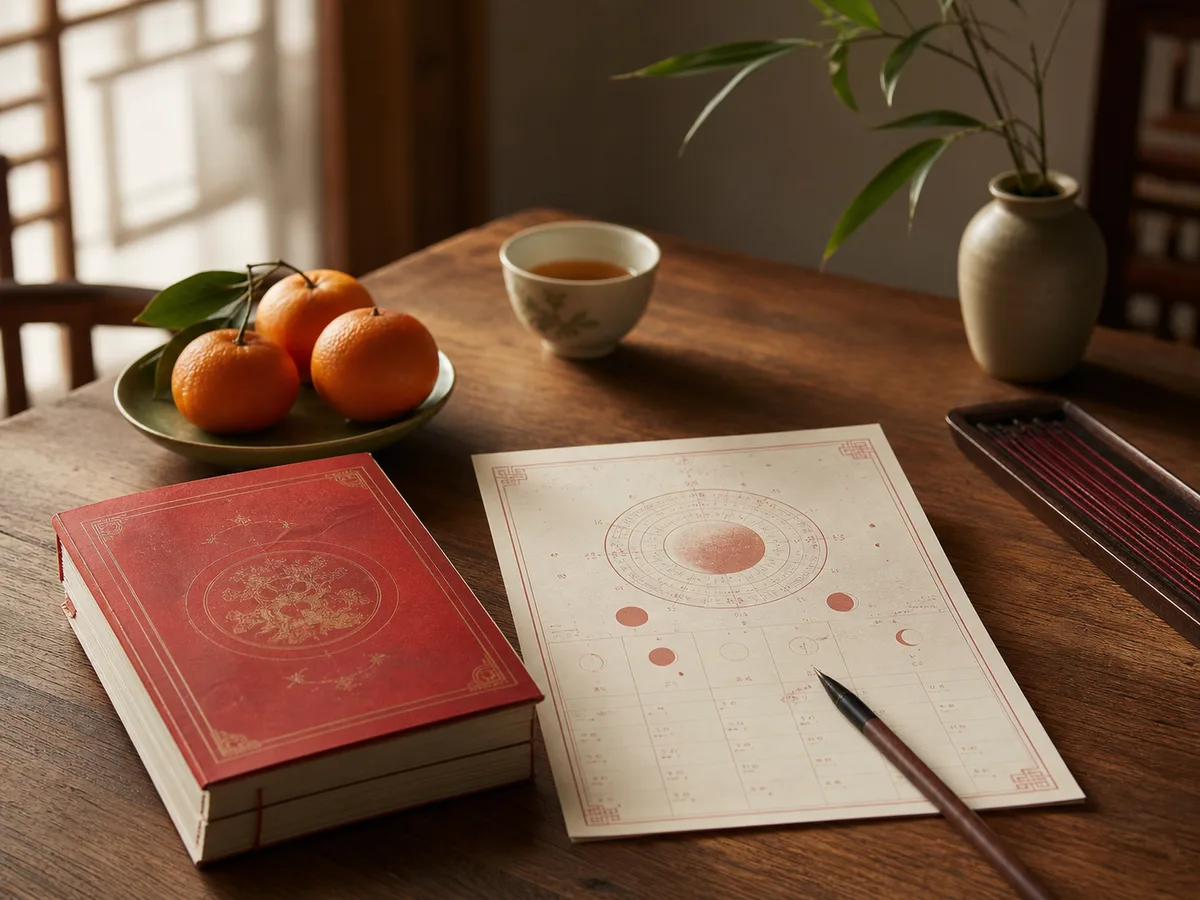
Chinese almanac planning
Chinese Auspicious Dates for Weddings, Moving, Business, Prayer, and Travel
Cultural date-selection guides for Chinese diaspora users worldwide, with lunar-calendar context, zodiac clash notes, practical planning limits, and clear disclaimers.
What these guides cover
Bai Bai explains how families commonly use auspicious dates for major life, household, business, devotional, and travel decisions. The guidance is activity specific: a good day for prayer may not be suitable for wedding, renovation, signing, medical scheduling, or opening business.
Purpose guides
Choose by what you are planning
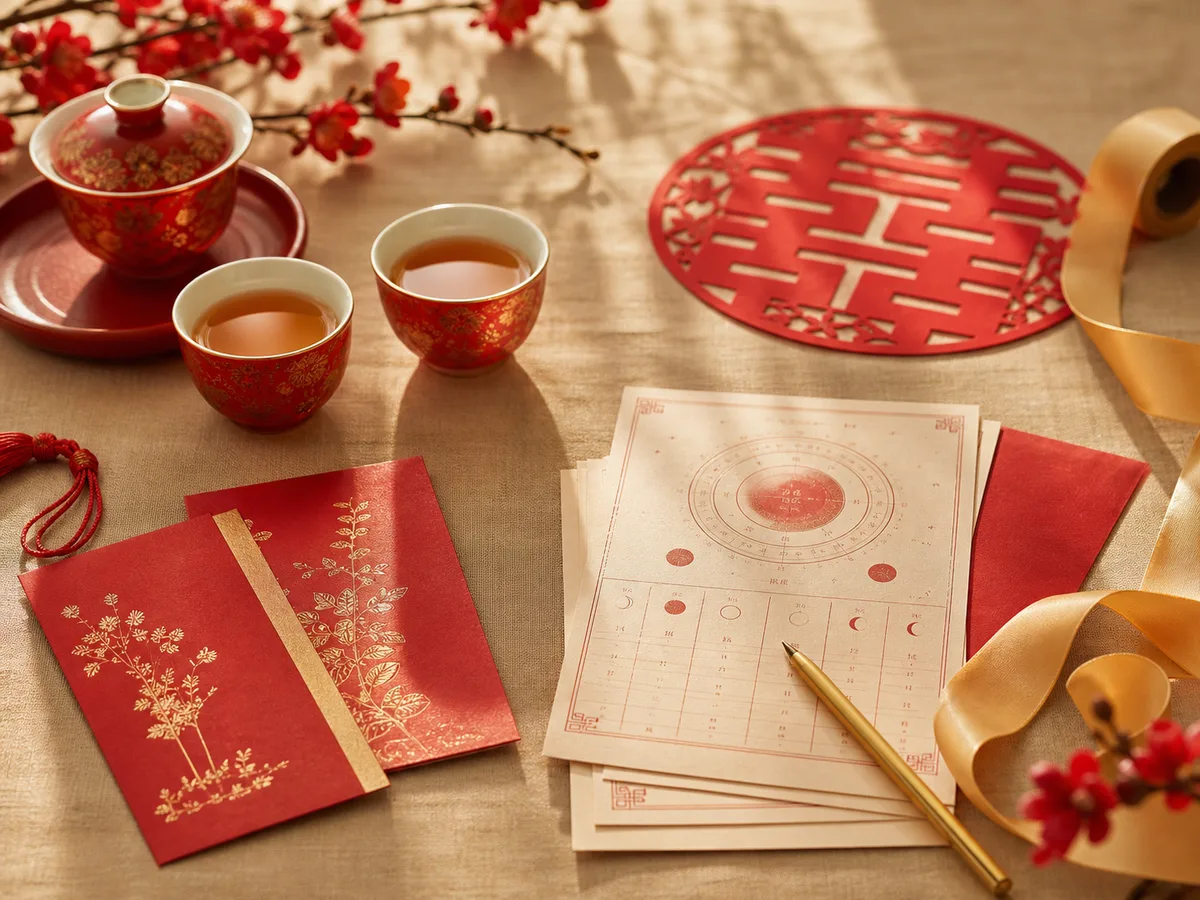
结婚吉日 / 結婚吉日
Wedding Dates
For Chinese weddings, an auspicious date is usually a culturally favorable day that avoids major zodiac clashes for the couple, leaves room for tea ceremony and ancestor respect, and works for elders, venue logistics, and civil registration rules.
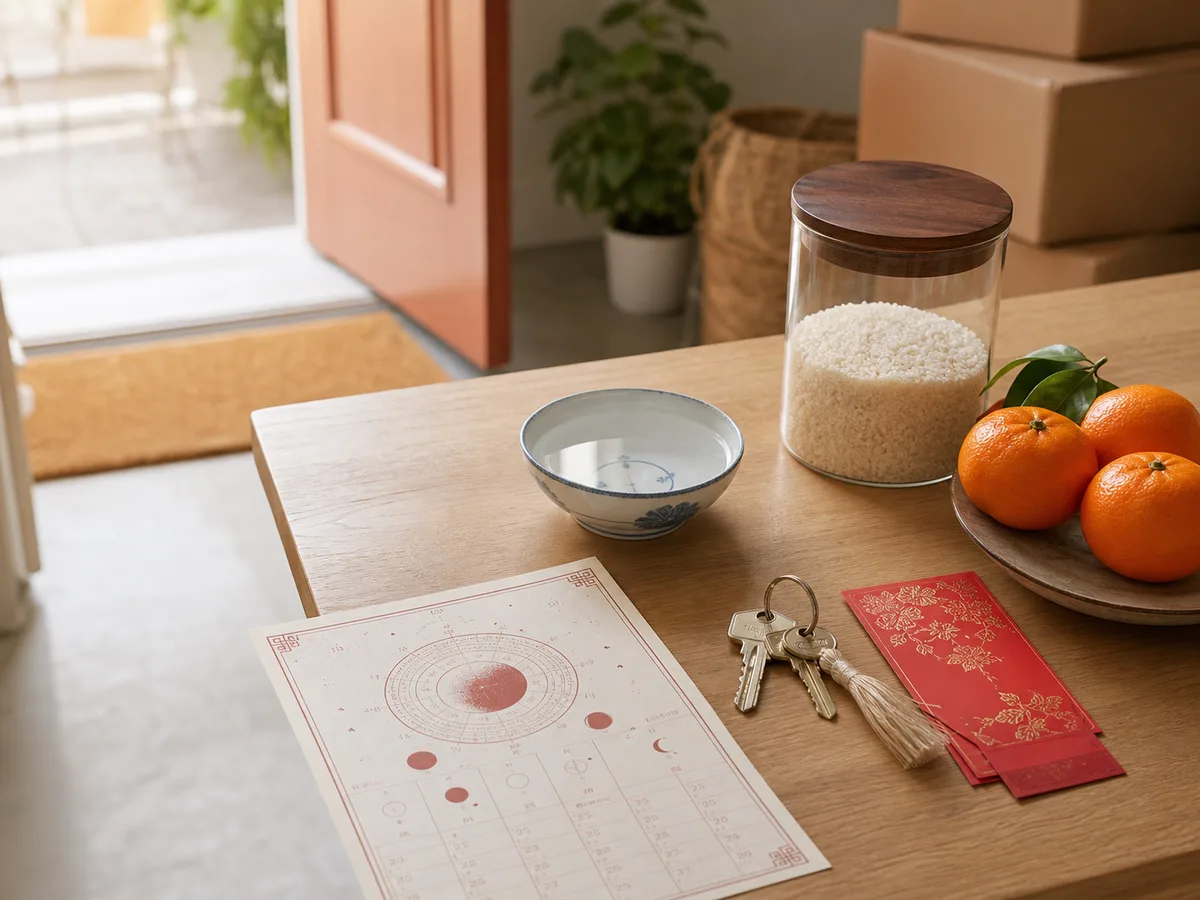
入宅吉日
Moving House Dates
A Chinese moving-house date is commonly chosen for entering the home, starting the stove, and settling essential household items on a day that supports stability and does not clash with key residents.

动土吉日 / 動土吉日
Renovation Dates
A renovation auspicious date usually marks the first disruptive work, such as drilling, hacking, or ground-breaking, while still requiring permits, contractor safety, building rules, and professional judgment.
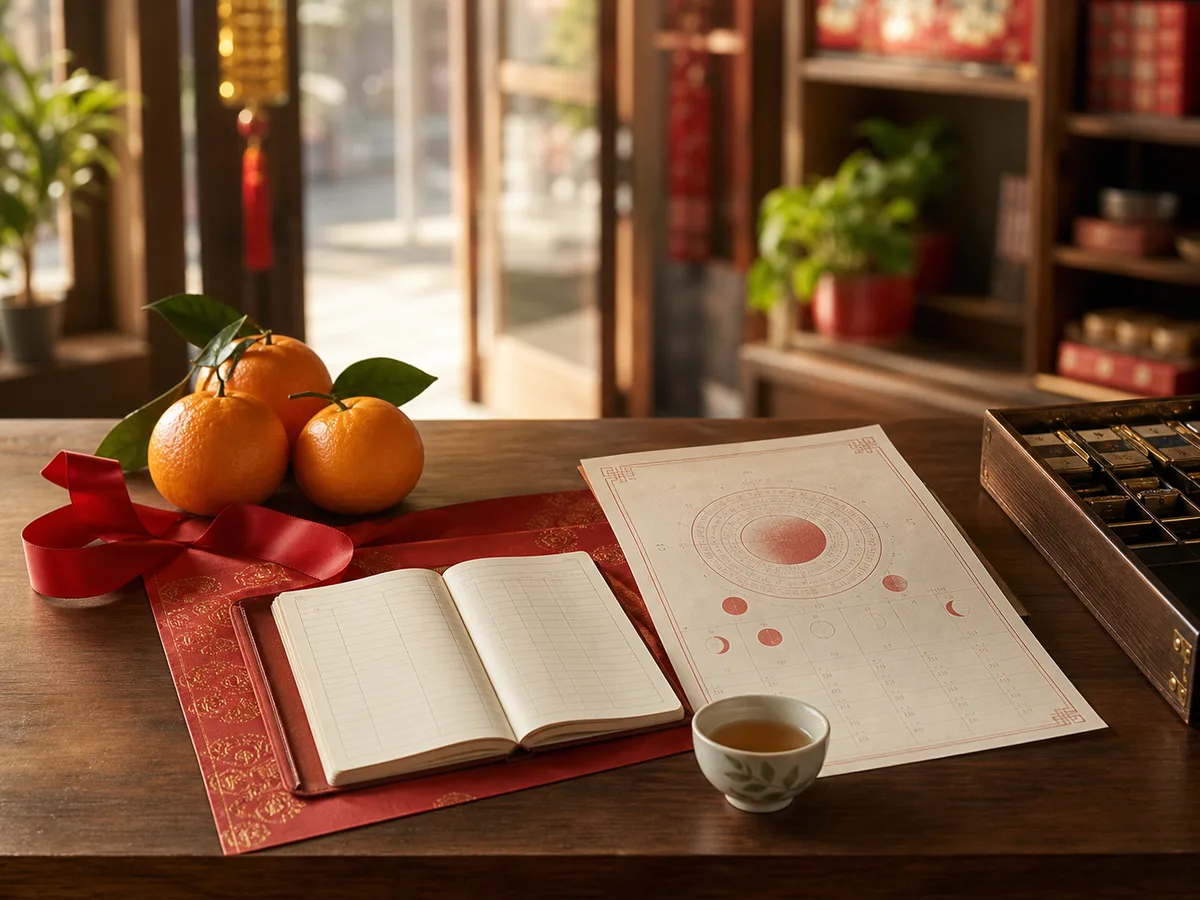
开张吉日 / 開張吉日
Opening Business Dates
A business-opening date usually marks the first public trading day, first invoice, ribbon-cutting, or blessing, but it should never replace licensing, tax, insurance, safety, staffing, and financial planning.
开工吉日 / 開工吉日
Starting Work Dates
A starting-work auspicious date marks a fresh beginning for employment, business operations, or a major project, but it should support rather than override workplace policy, contract terms, and professional obligations.
签约吉日 / 簽約吉日
Signing Contract Dates
A contract-signing auspicious date can mark a commitment culturally, but legal terms, due diligence, cooling-off rights, financing, and professional advice matter more than the calendar.
拜神吉日
Praying Dates
Praying dates are flexible cultural reference points. Many Chinese families pray on the 1st and 15th lunar days, deity birthdays, festival periods, or personal thanksgiving days rather than only on almanac-selected dates.
祭祖吉日
Ancestral Worship Dates
Ancestral worship dates often follow family custom more than generic almanac selection, especially Qing Ming, Chong Yang, death anniversaries, Lunar New Year, and home altar remembrance days.

出行吉日
Travel Dates
A travel auspicious date may be chosen for departure, pilgrimage, relocation, or an important journey, but travel safety, documents, weather, visas, insurance, and official advisories must come first.
求医择日 / 求醫擇日
Medical Procedure Dates
Medical procedures should be scheduled according to clinical need, qualified medical advice, facility availability, and informed consent. Auspicious-date references can only provide cultural comfort when there is genuine scheduling flexibility.
置业置物吉日 / 置業置物吉日
Major Purchase Dates
A major-purchase auspicious date may mark deposit, signing, collection, delivery, or first use, but affordability, inspection, legal rights, financing, warranty, and professional advice are more important.
黄道吉日 / 黑道日
General Good and Bad Days
General good and bad days are broad cultural references from almanac systems. They are useful for orientation, but a day that is generally good may still be unsuitable for a specific activity, zodiac sign, family custom, or professional requirement.
Regional variation
Use the calendar with family and local context
- Families in Hong Kong, Taiwan, Macau, Mainland China, Southeast Asia, North America, Europe, Australia, and Latin America may follow different almanacs, dialect customs, temple calendars, and elder advice.
- Some households prioritize zodiac clashes and lunar day officers, while others prioritize practical constraints such as venue availability, work leave, school schedules, cemetery rules, or local fire regulations.
- Diaspora communities often combine ancestral custom with local laws, apartment rules, public-health requirements, and the calendar used by the country where the event happens.