Beginner guide
What Does Bai Bai (拜拜) Mean? Chinese Prayer Explained
Bai bai is an everyday Chinese expression for praying or paying respects to deities and ancestors, especially through incense, offerings, bows, and a sincere spoken or silent intention.
Direct answer
Bai bai (拜拜, commonly pronounced roughly ‘bye-bye’ in Mandarin) means to pray, worship, or pay respects in everyday Chinese usage. It can describe a temple visit, a household altar prayer, ancestor remembrance, or a simple offering made with a sincere intention.
Meaning and pronunciation
The written form 拜拜 repeats the character 拜, which carries the sense of paying respect, bowing, or worshipping. In casual speech, families may say they are going to bai bai without naming a formal ritual. The exact tone and preferred phrase vary across Mandarin, Hokkien, Teochew, Cantonese, Hakka, and other communities.
English phrases such as ‘Chinese prayer’ or ‘pray in Chinese’ only approximate the expression. Bai bai may address a deity, ancestors, local guardians, or a household altar, and the goal may be gratitude, remembrance, protection, guidance, or a personal hope.
- Mandarin: 拜拜, often written in pinyin as bài bài.
- Common meaning: pray, worship, make an offering, or pay respects.
- Context decides whether the focus is a deity, ancestors, a festival, or a family custom.
A simple respectful way to bai bai
At a public temple, first read the posted route and offering rules. If incense is allowed, take only the stated amount, keep the flame controlled, and follow the altar order used by that temple. Stand aside while deciding what to say so entrances and worship lines remain clear.
A simple intention can identify yourself privately, express thanks, and state one clear hope. Sincerity and respectful behavior matter more than elaborate wording. You do not need to publish personal names, addresses, medical details, or other sensitive information.
- Pause, compose your intention, and follow the venue’s altar order.
- Bow or hold incense only where the temple permits it.
- Give thanks, state a concise intention, and leave without disrupting other worshippers.
Offerings and temple etiquette
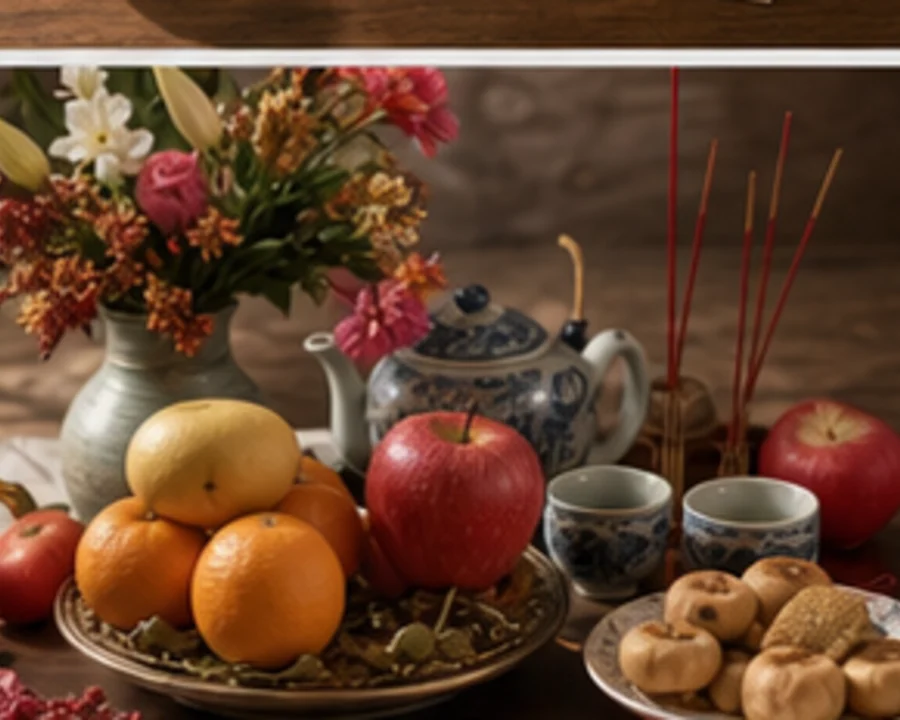
Common base offerings include fresh fruit, tea or water, flowers, and simple packaged food, but the correct choice depends on the deity, temple, festival, and family. Vegetarian halls may prohibit meat or alcohol, while some household ancestor practices include familiar cooked dishes.
Do not assume photography is allowed, touch altar objects, step across ritual items, or imitate a ceremony you do not understand. Ask temple staff when instructions are unclear, dress practically and respectfully, and obey local fire, smoke, and waste rules.
Regional and family variation
There is no single worldwide bai bai script. A Singaporean household, Taiwanese temple, Hong Kong family, Malaysian association, or overseas home altar may use different incense counts, offering order, dialect phrases, and festival schedules.
When family custom and a general guide differ, ask the elders or temple responsible for that practice. A useful guide explains common patterns without declaring one regional form universally correct.
Caveats and respectful limits
- Temple notices and staff instructions take priority over a general online guide.
- Use flames, incense, and joss paper only where permitted and with proper fire safety.
- Prayer can support reflection and community care but does not replace medical, legal, financial, or emergency help.
Practice links
FAQ
Common beginner questions
Is bai bai the same as saying goodbye?
No. The sound resembles English ‘bye-bye,’ but 拜拜 in this context refers to praying, worshipping, or paying respects. Context and written characters distinguish the meanings.
What should I say when I bai bai?
A short respectful intention is enough: identify yourself privately if appropriate, express gratitude, and state one clear hope. Follow family or temple wording when it is provided.
Do I need incense or offerings to pray?
Not always. Some places restrict smoke, and a quiet bow or sincere intention may be appropriate. Follow the rules of the altar or temple you are visiting.