
Ceremony guide hub
Chinese Ceremonies & Temple Festival Guides
Meanings, rituals, offerings, and etiquette for Chinese temple festivals and ceremonies across Southeast Asian and global Chinese communities.
Practical overview
How to use these guides
Start with the ceremony's date and direct answer, then check its examples of rituals, offerings, etiquette, and sources. Many temple festivals are lineage-specific, so this hub explains common patterns without treating any single temple's schedule as universal.
- Use lunar timing as orientation, not as a substitute for the temple calendar.
- Read the etiquette and taboo sections before attending public rites.
- Follow volunteers around altars, palanquins, processions, and queues.
- Check related guides when festivals overlap by deity, month, or ritual theme.
Dates and patterns
Quick comparison
Deity birthdays
Often centered on offerings, chanting, vow-return rites, and sometimes processions.
Ancestor rites
Usually focus on remembrance, family offerings, cemetery visits, or merit services.
Temple festivals
More likely to include public crowds, volunteer control, banners, lamps, and schedules.
Directory
Find a ceremony guide
Search by festival name, deity, offering, ritual, region, or lunar timing.
Showing 43 of 43
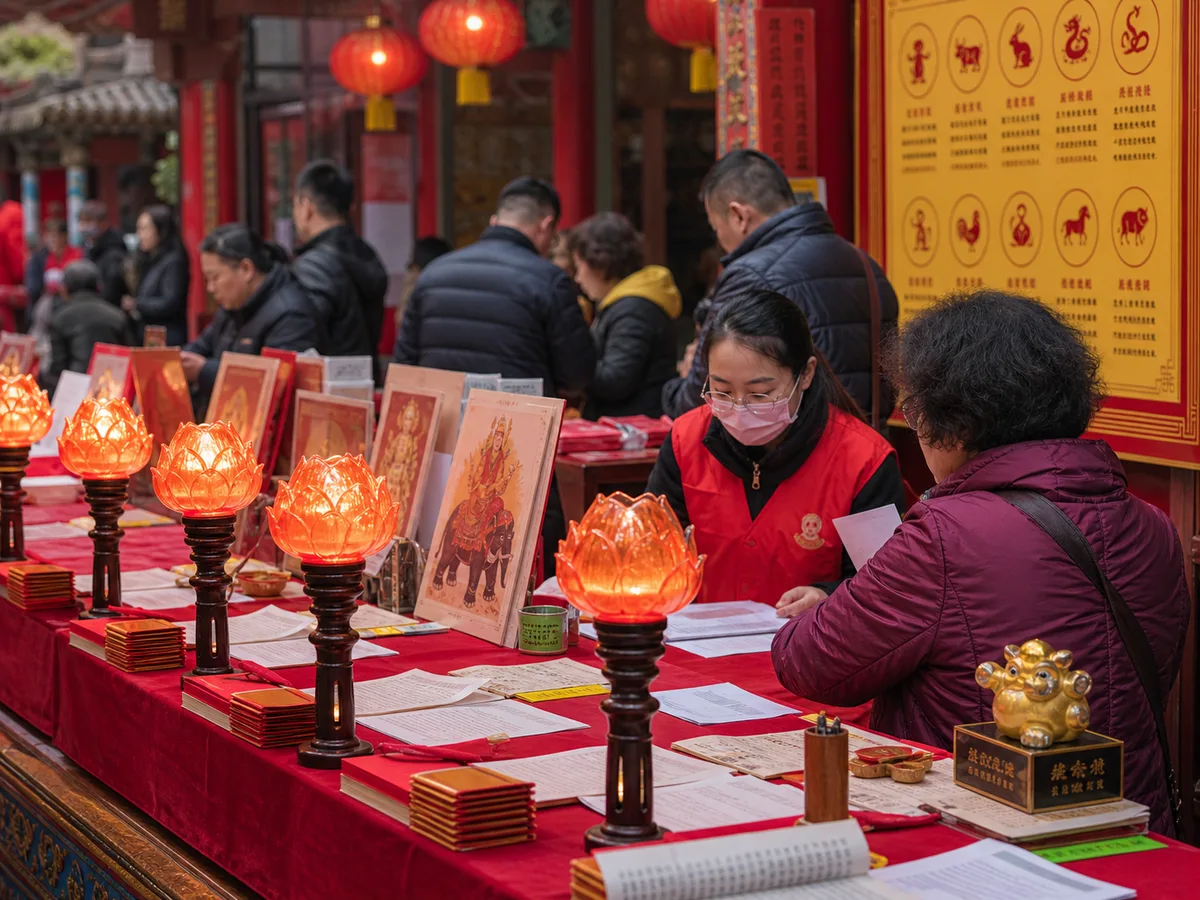
An Tai Sui Blessing
安太岁 / 安太歲
An Tai Sui is a New Year blessing rite for people whose zodiac sign is considered to clash with or offend Tai Sui for the year. Temples may register names, offer lamps or petitions, and conduct prayers for peace, caution, health, and smoother affairs.
Updated May 21, 2026
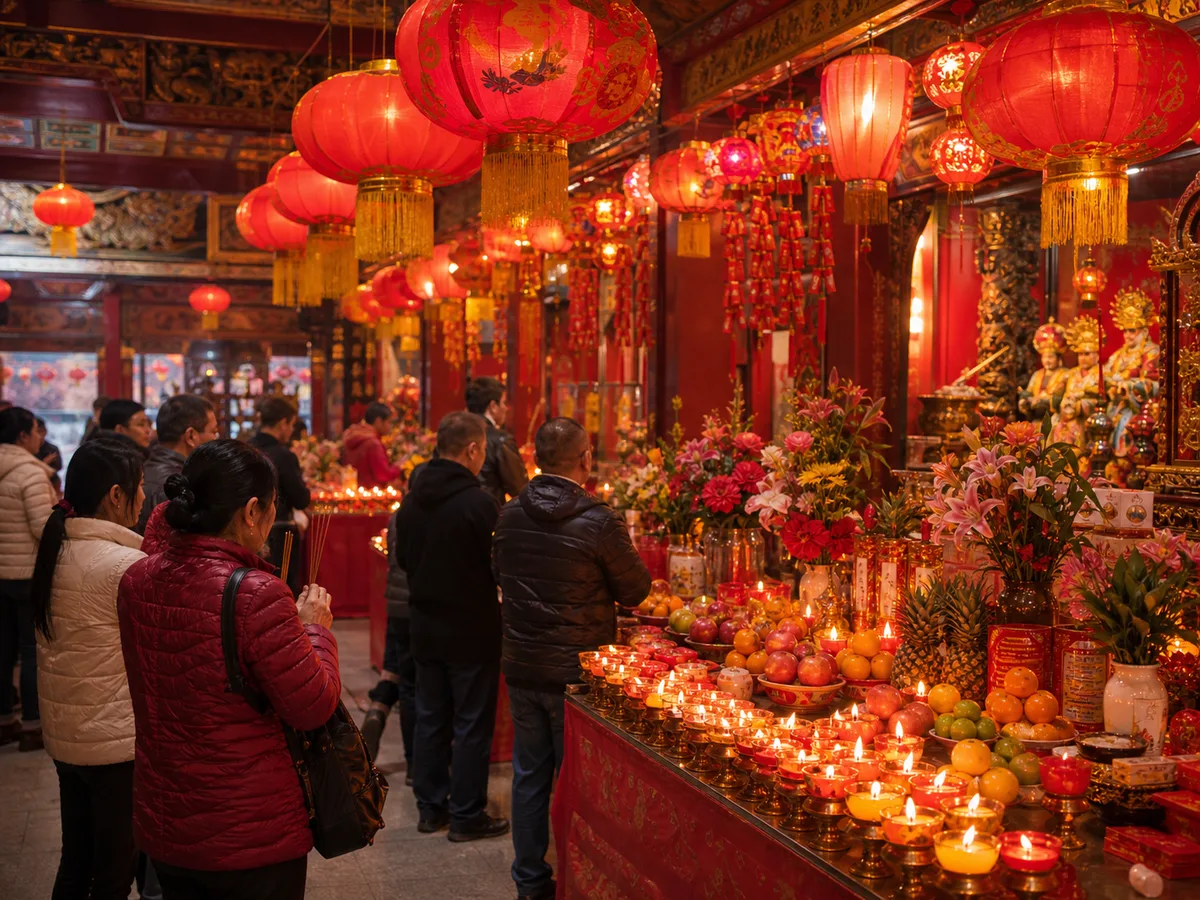
Caishen Birthday
财神诞 / 財神誕
Caishen observances are commonly associated with the Chinese New Year season, especially welcoming the God of Wealth on the 5th day of the 1st lunar month in many southern Chinese and diaspora settings. Birthday dates for specific wealth deities vary by temple. Devotees pray for prosperity, honest business, stable income, and generous use of wealth.
Updated May 21, 2026
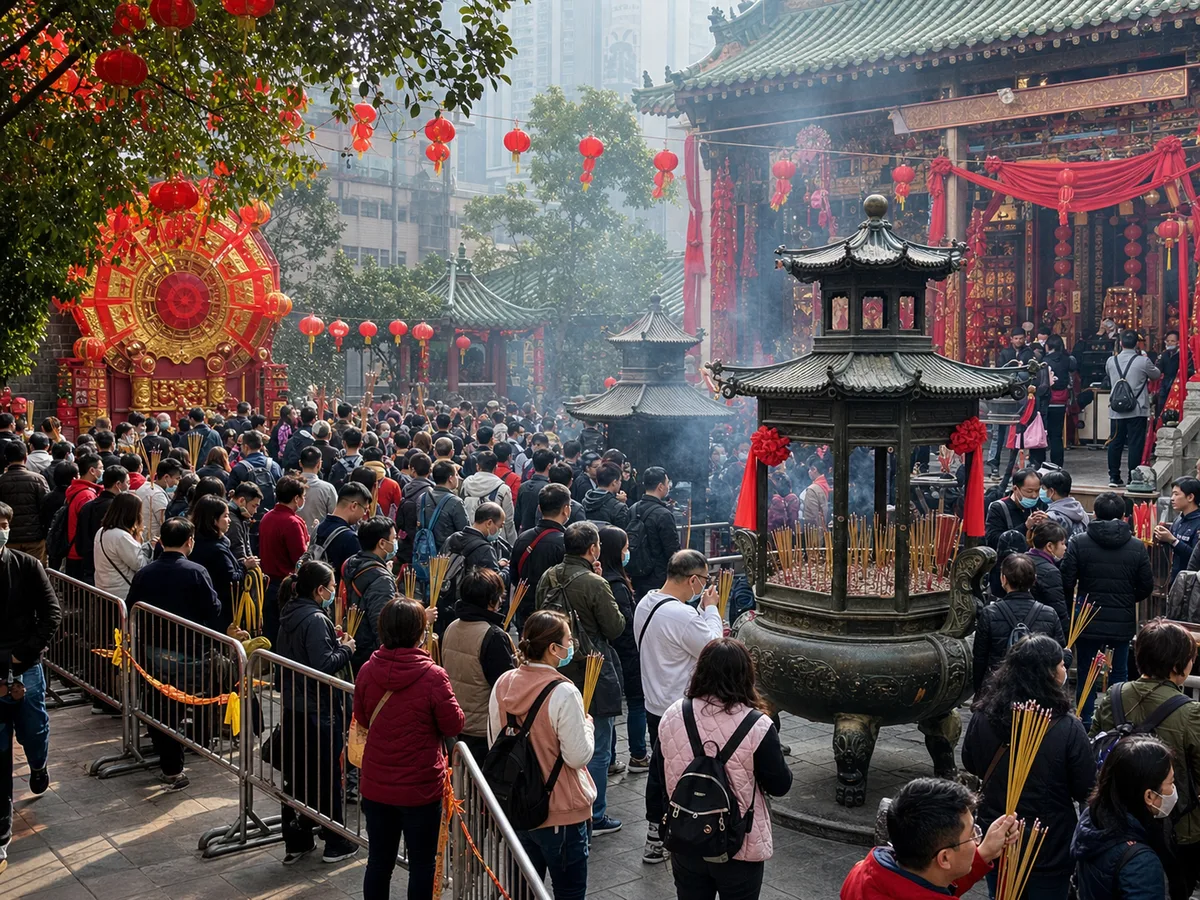
Che Kung Birthday
车公诞 / 車公誕
Che Kung Birthday is widely observed in Hong Kong during the Lunar New Year period, especially at Che Kung Temple in Tai Wai. Devotees pray for protection, good fortune, and a turn toward better luck, often using incense and temple rituals.
Updated May 21, 2026
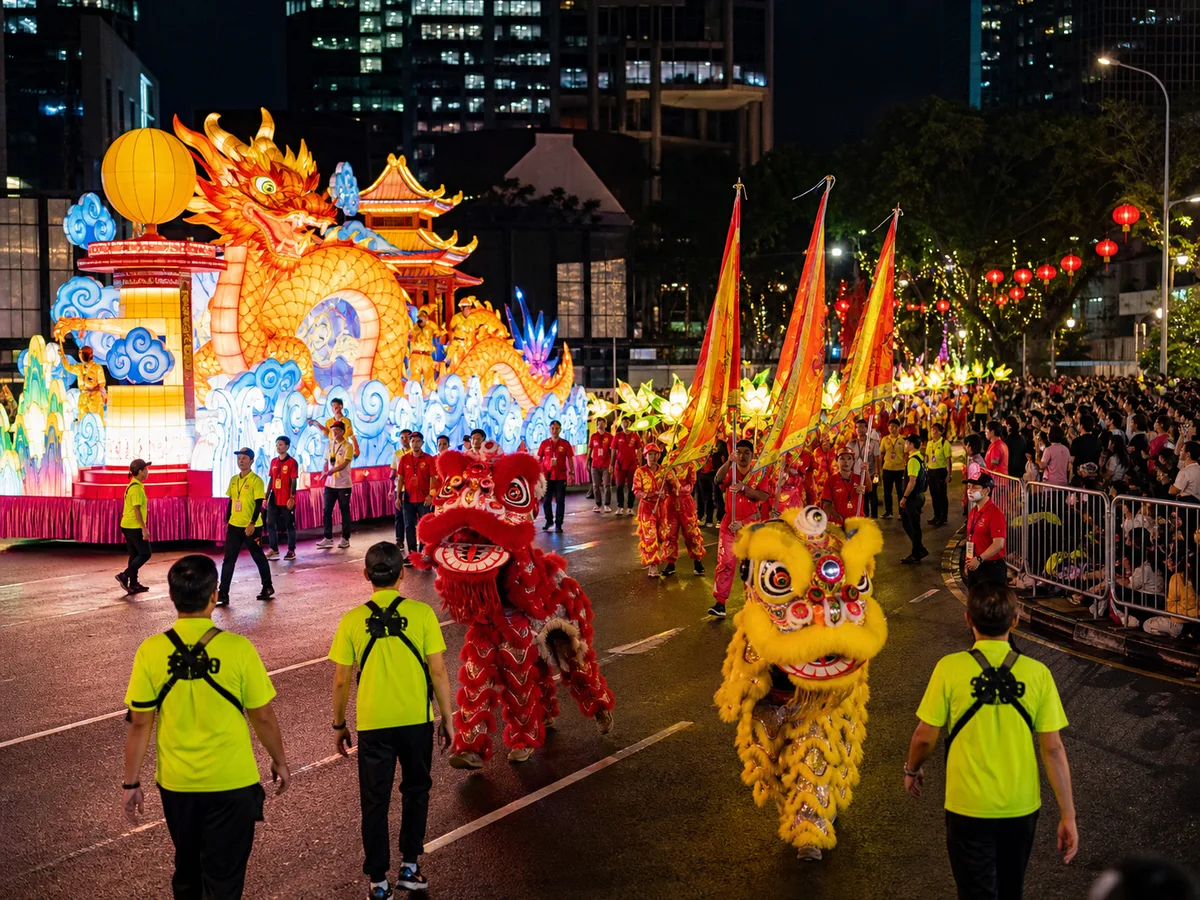
Chingay Procession
妆艺 / 妝藝
Chingay refers to processional traditions with southern Chinese roots, historically linked to deity festivals such as Tua Pek Kong and Mazu and now widely seen in Singapore and Malaysia as Chinese New Year and multicultural parades with floats, performers, music, and community groups.
Updated May 21, 2026
Jade Emperor Birthday
玉皇诞 / 天公生
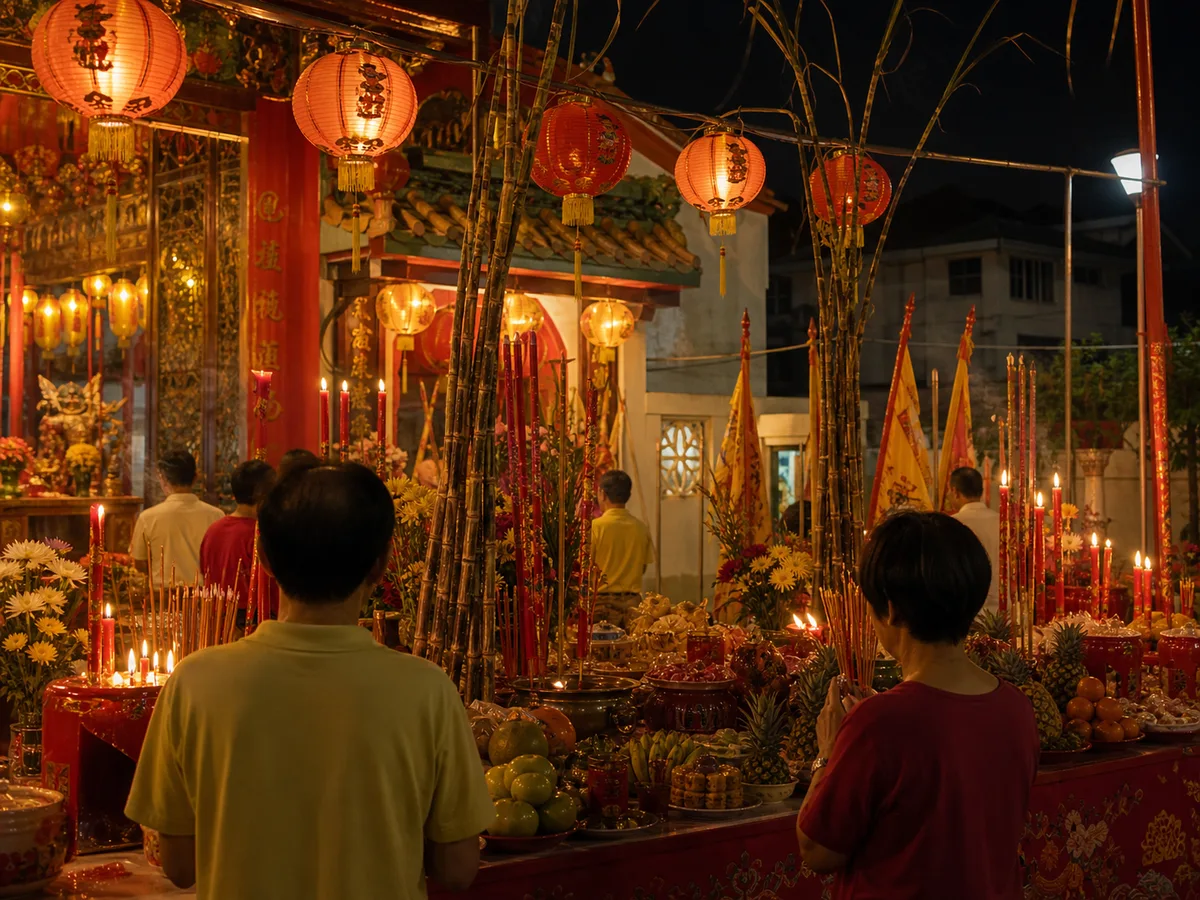
Jade Emperor Birthday, also called Bai Tian Gong or Pai Ti Kong in some communities, falls on the 9th day of the 1st lunar month. Many Hokkien and Peranakan Chinese families and temples begin offerings late on the 8th night to honor Heaven and seek blessings.
Updated May 21, 2026
Lunar New Year Temple Prayers
春节拜拜 / 農曆新年拜拜
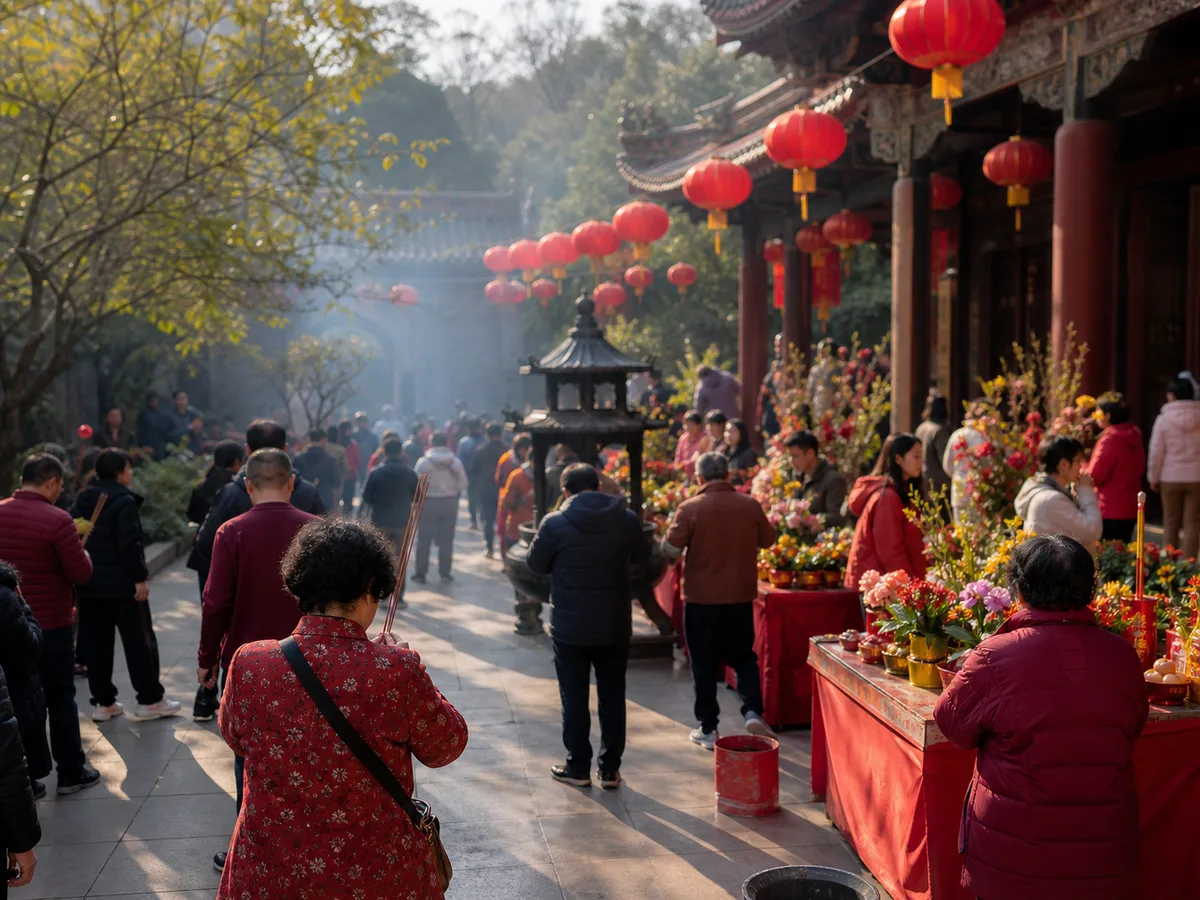
Lunar New Year temple prayers are usually made from New Year's Eve through the first days of the 1st lunar month. Devotees offer incense, lamps, fruit, flowers, donations, and prayers for peace, family wellbeing, career, study, and good fortune.
Updated May 21, 2026
Monkey God Birthday
齐天大圣诞 / 齊天大聖誕
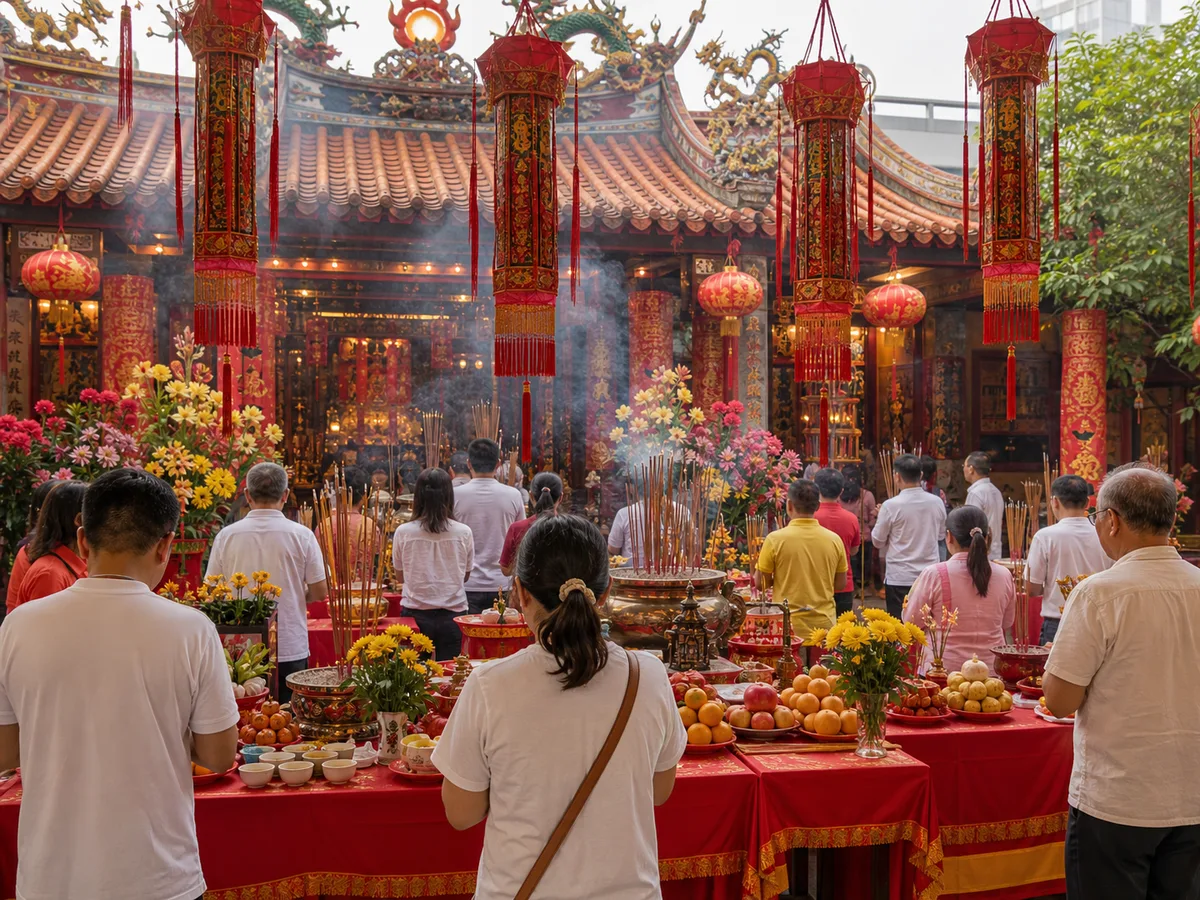
Monkey God Birthday honors Qi Tian Da Sheng, commonly associated with Sun Wukong. Singapore references include temple observances around the 15th or 16th day of the 1st lunar month, but dates can vary, so the specific temple calendar should be checked first.
Updated May 21, 2026
Shang Yuan and Lantern Festival
上元节 / 元宵节
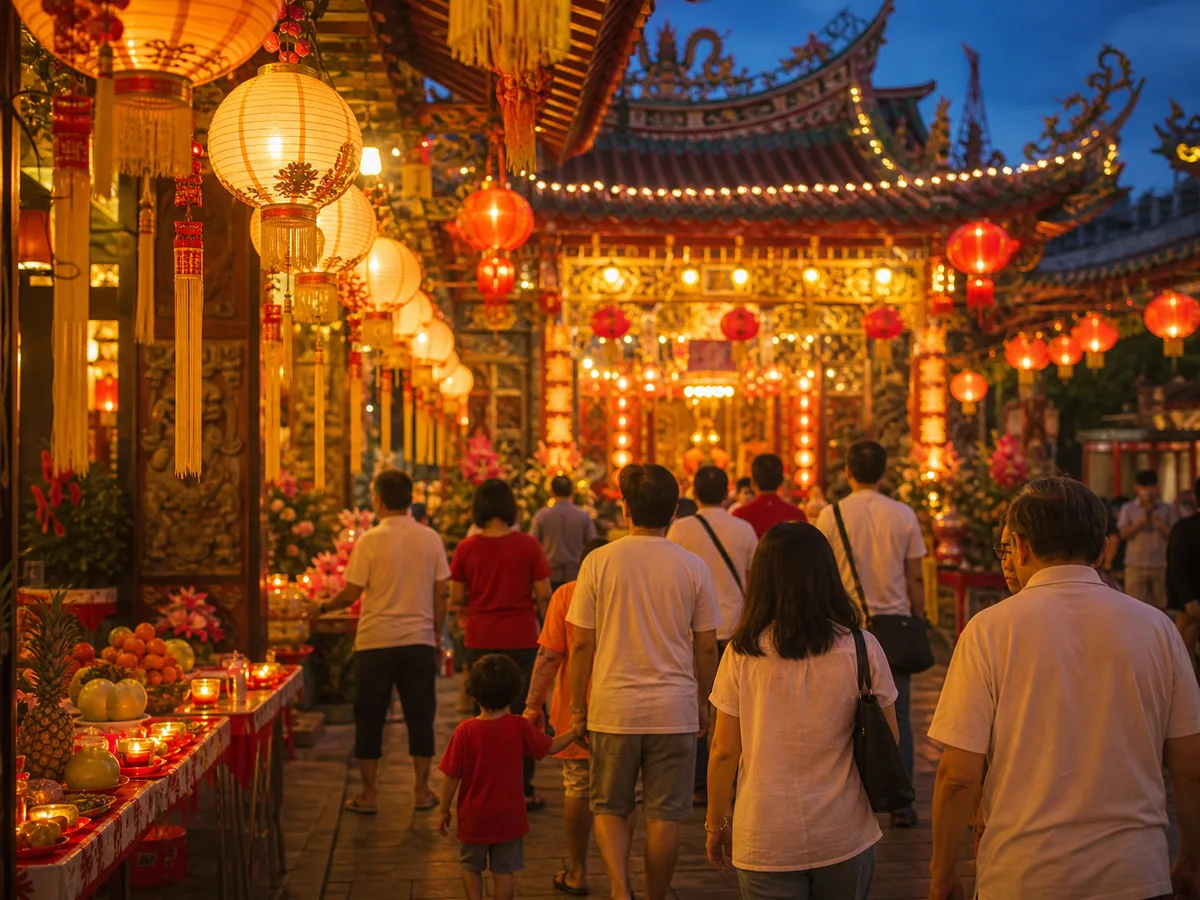
Shang Yuan and Lantern Festival falls on the 15th day of the 1st lunar month. It closes the Chinese New Year period and may combine lantern customs, family reunion foods, temple prayers, and Taoist rites for the Heaven Official.
Updated May 21, 2026
Guan Yin Birthday
观音诞 / 觀音誕
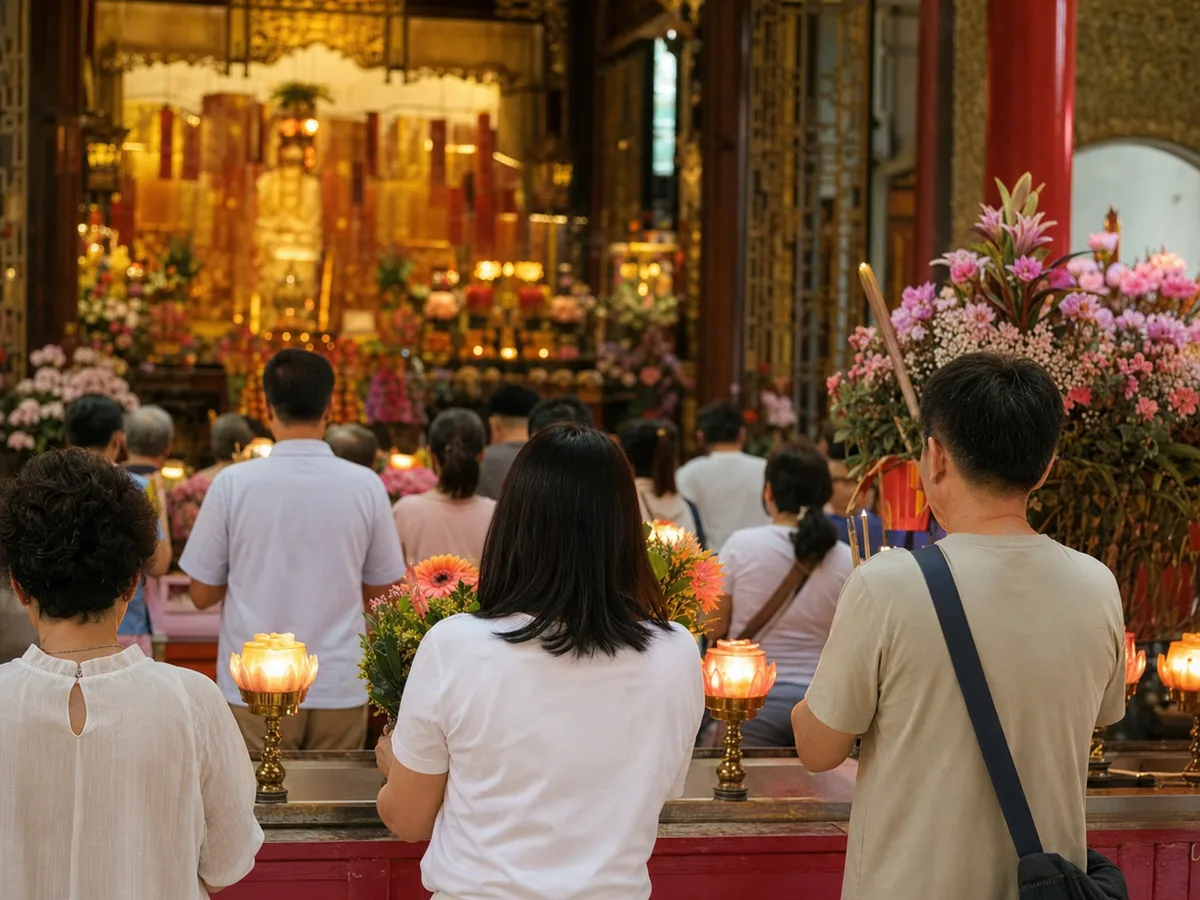
Guan Yin Birthday is commonly observed on the 19th day of the 2nd lunar month, with other Guan Yin observances on the 19th days of the 6th and 9th lunar months. Devotees usually offer flowers, lamps, fruit, incense, chanting, vegetarian practice, and merit dedication.
Updated May 21, 2026
Tu Di Gong Birthday
土地公诞 / 土地公誕
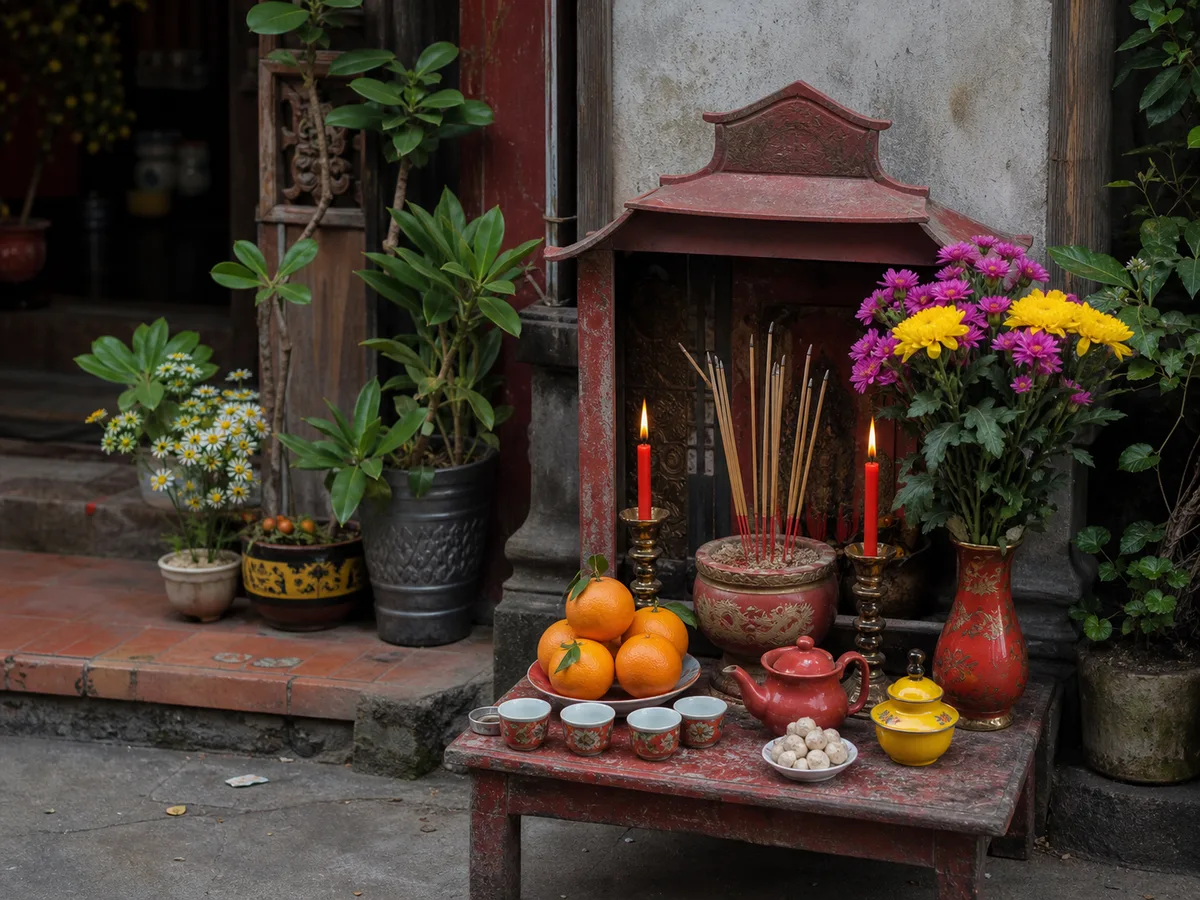
Tu Di Gong Birthday is commonly observed on the 2nd day of the 2nd lunar month, though local Earth God rites can follow temple-specific calendars. Devotees offer incense, tea, fruit, food, and prayers for local protection, business stability, prosperity, and land peace.
Updated May 21, 2026
Tua Pek Kong Birthday
大伯公诞 / 大伯公誕
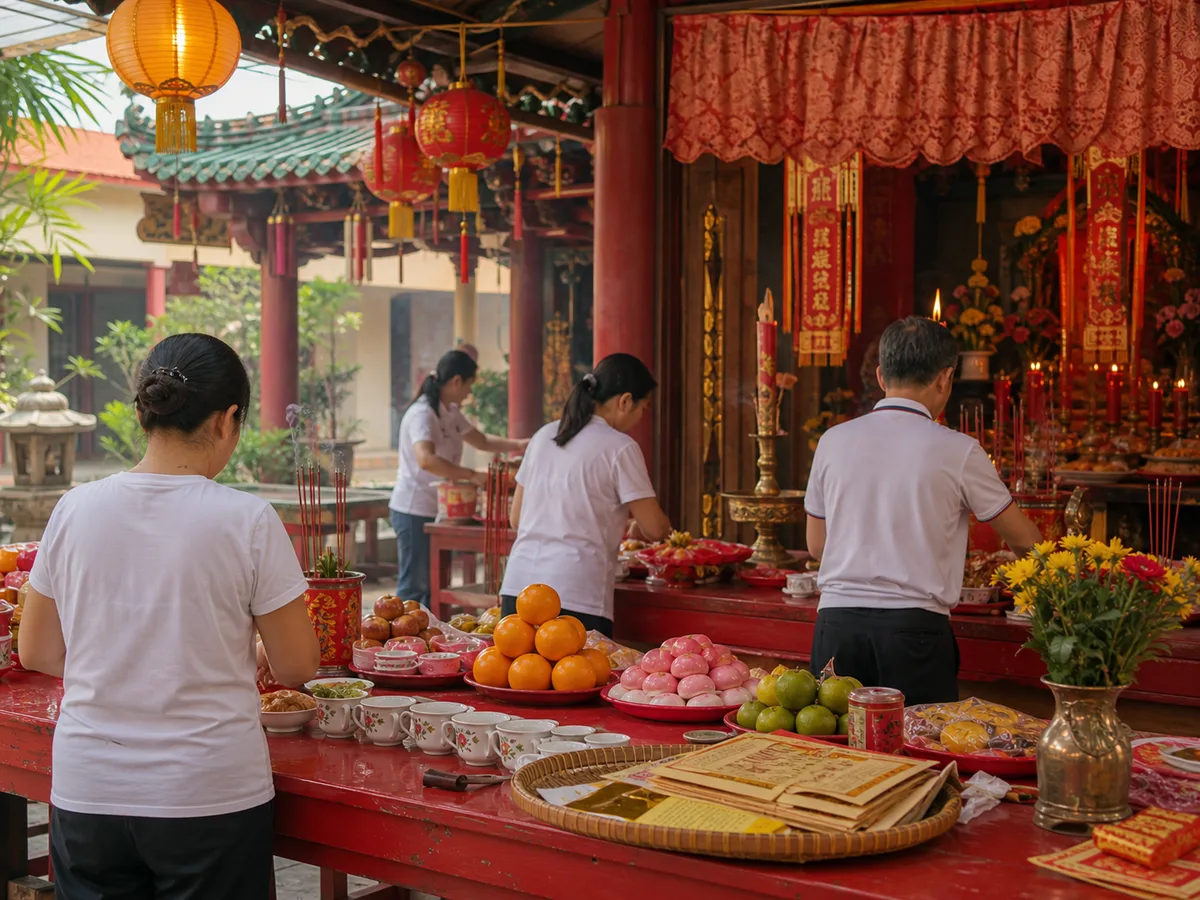
Tua Pek Kong Birthday is often observed on the 2nd day of the 2nd lunar month, but local temple calendars matter because Southeast Asian Tua Pek Kong worship is strongly localized. Devotees commonly pray for protection, prosperity, health, and community well-being.
Updated May 21, 2026
Wen Chang Birthday
文昌诞 / 文昌誕
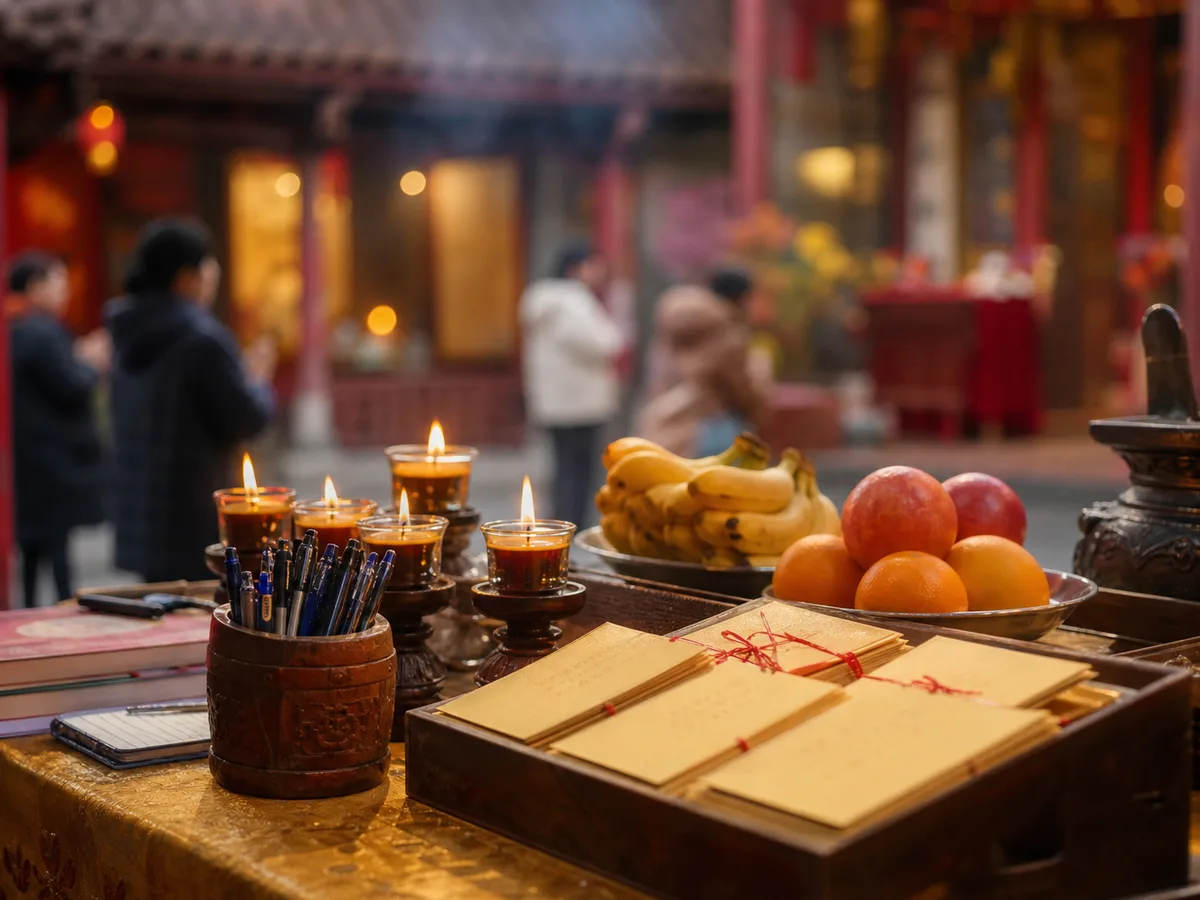
Wen Chang Birthday is commonly observed on the 3rd day of the 2nd lunar month. Students and families pray to Wen Chang Dijun for learning, exam clarity, disciplined study, and wise use of knowledge, often with incense, fruit, lamps, and petition cards.
Updated May 21, 2026
Bao Sheng Da Di Birthday
保生大帝诞 / 保生大帝誕
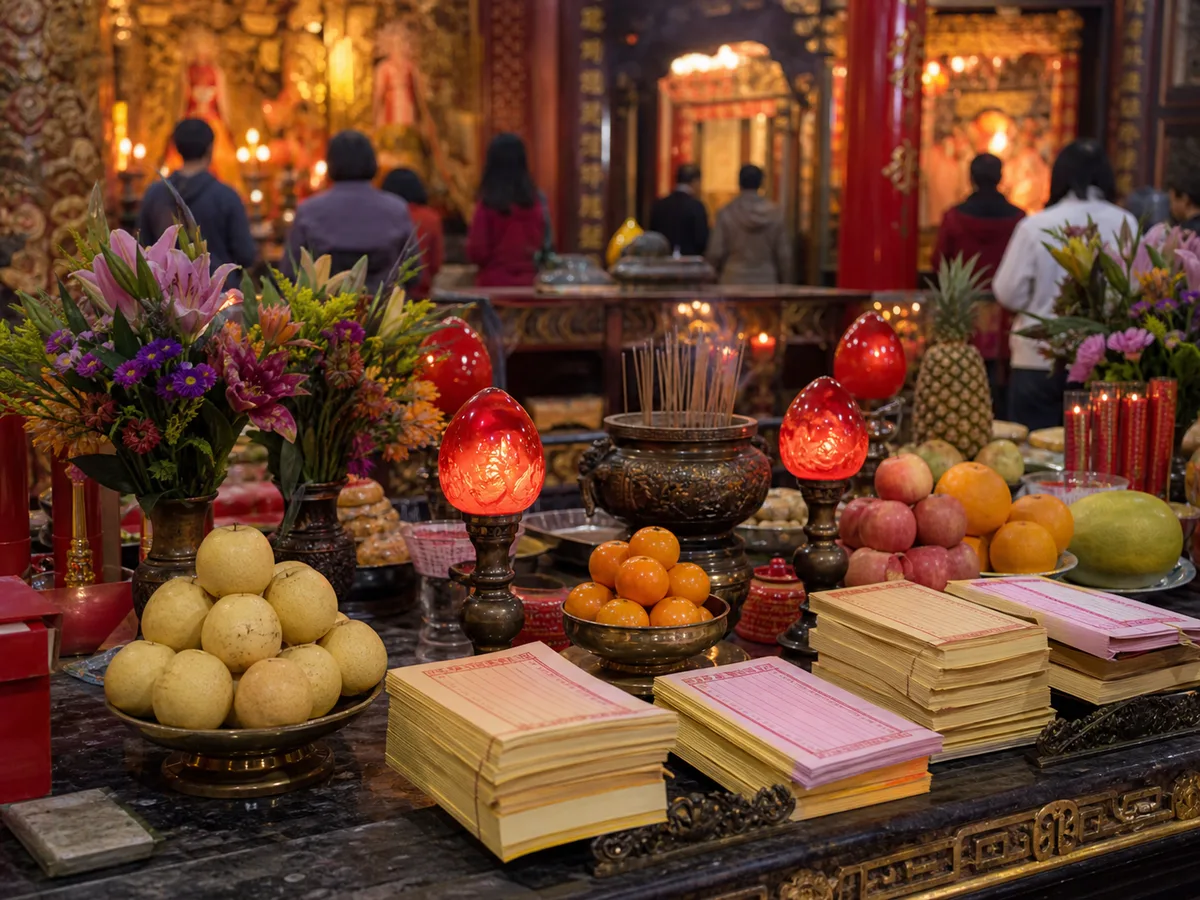
Bao Sheng Da Di Birthday is commonly observed on the 15th day of the 3rd lunar month. Devotees honor the medicine deity with prayers for health, healing, longevity, gratitude, and community welfare, especially in Fujianese and Taiwanese temple contexts.
Updated May 21, 2026
Mazu Birthday
妈祖诞 / 媽祖誕
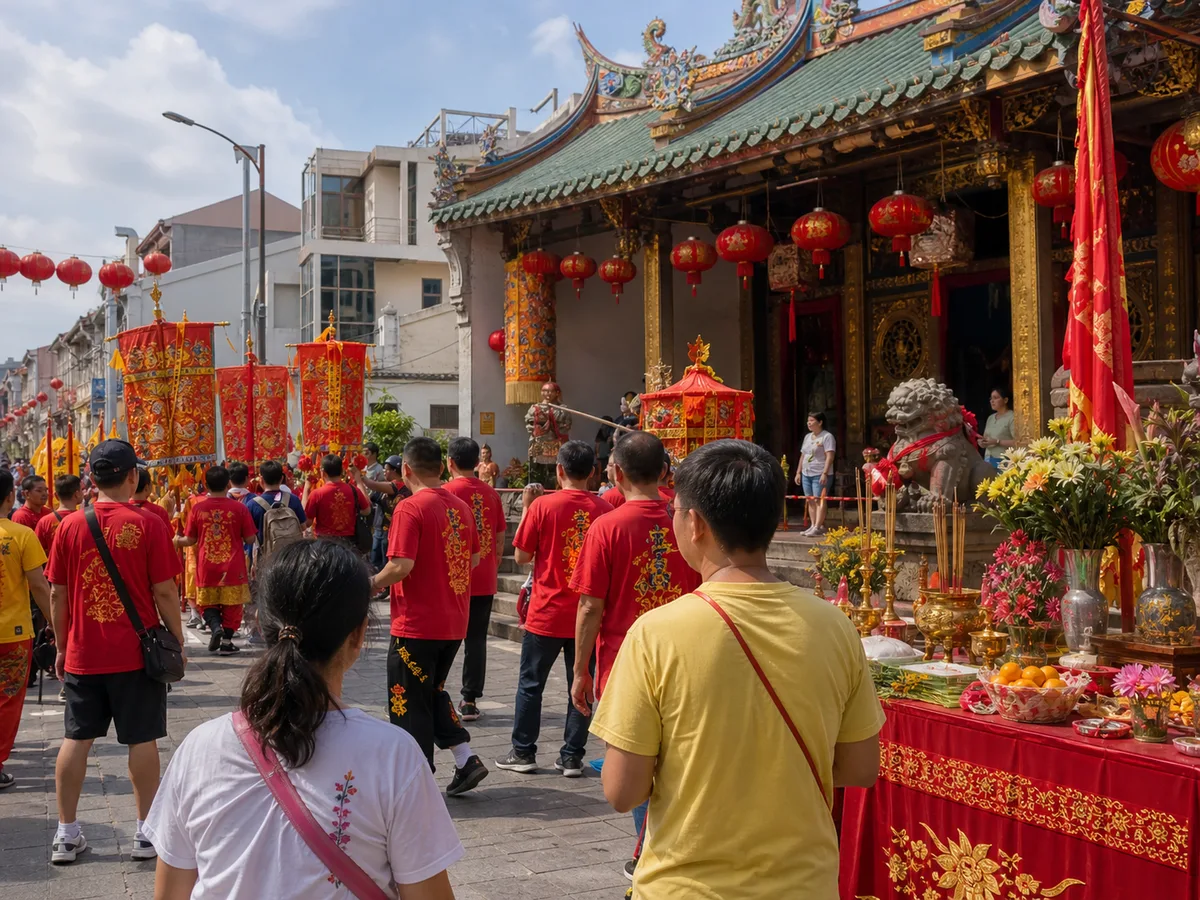
Mazu Birthday is observed on the 23rd day of the 3rd lunar month. In Southeast Asian Chinese temples, devotees honor Mazu, the sea goddess and Heavenly Empress, with prayers, offerings, chanting, and in some historic temples, public processions.
Updated May 21, 2026
Qing Ming Festival
清明节
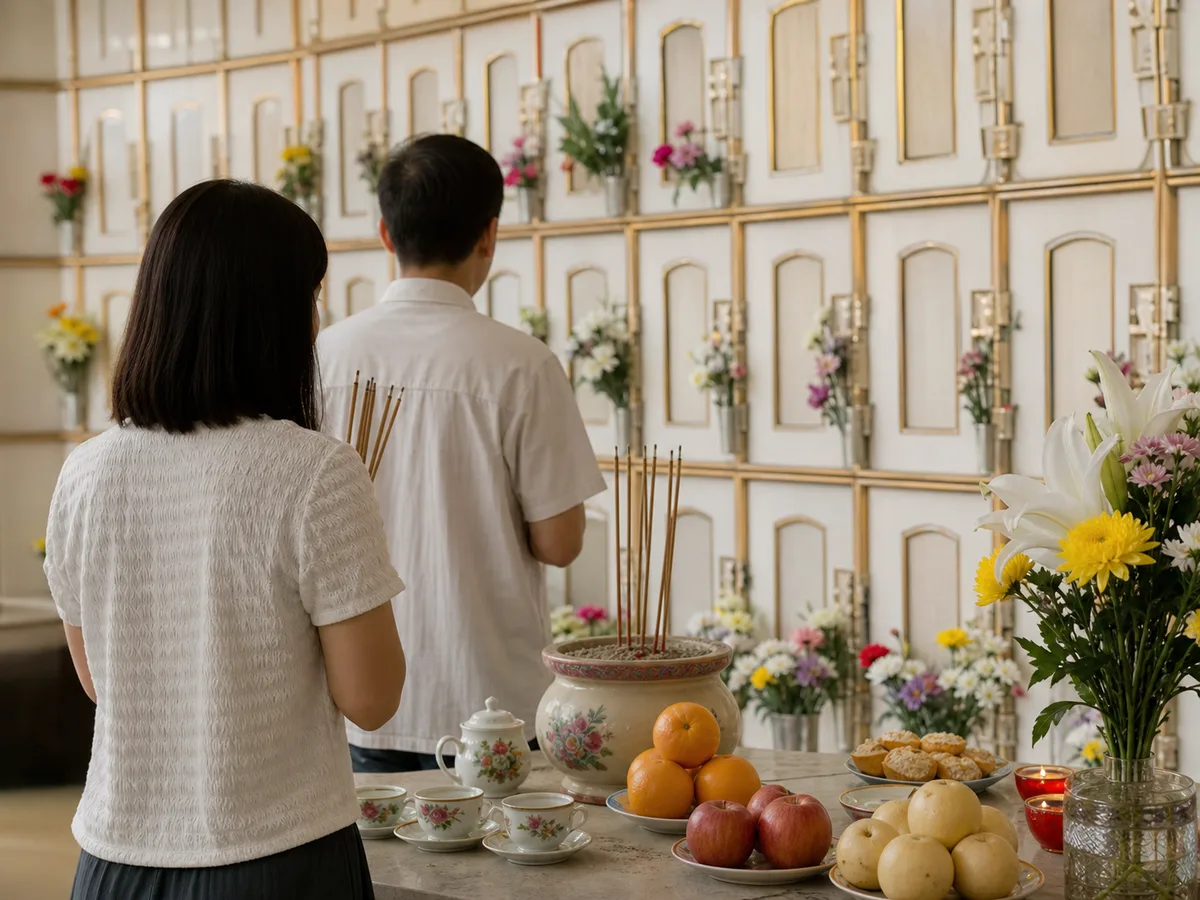
Qing Ming is an ancestor remembrance festival usually observed around April 4-6. Families visit graves, columbaria, or temples to clean memorial spaces, offer food, tea, flowers, incense, and permitted paper items, and remember deceased relatives.
Updated May 21, 2026
Xuan Tian Shang Di Birthday
玄天上帝诞 / 玄天上帝誕
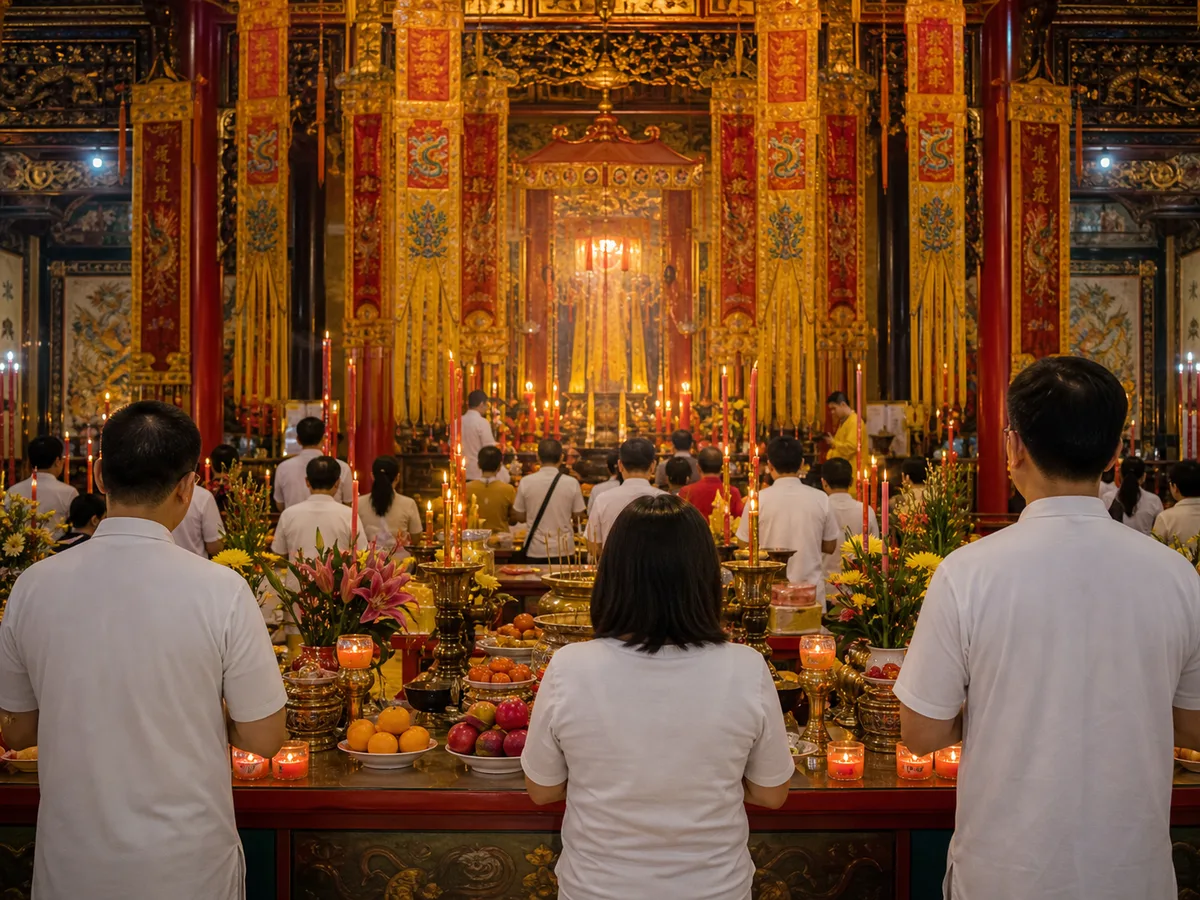
Xuan Tian Shang Di Birthday is commonly observed on the 3rd day of the 3rd lunar month. Temples may hold Taoist rituals, offerings, chanting, and sometimes processions for protection, courage, health, and the removal of obstacles.
Updated May 21, 2026
Cheung Chau Bun Festival
长洲太平清醮 / 長洲太平清醮
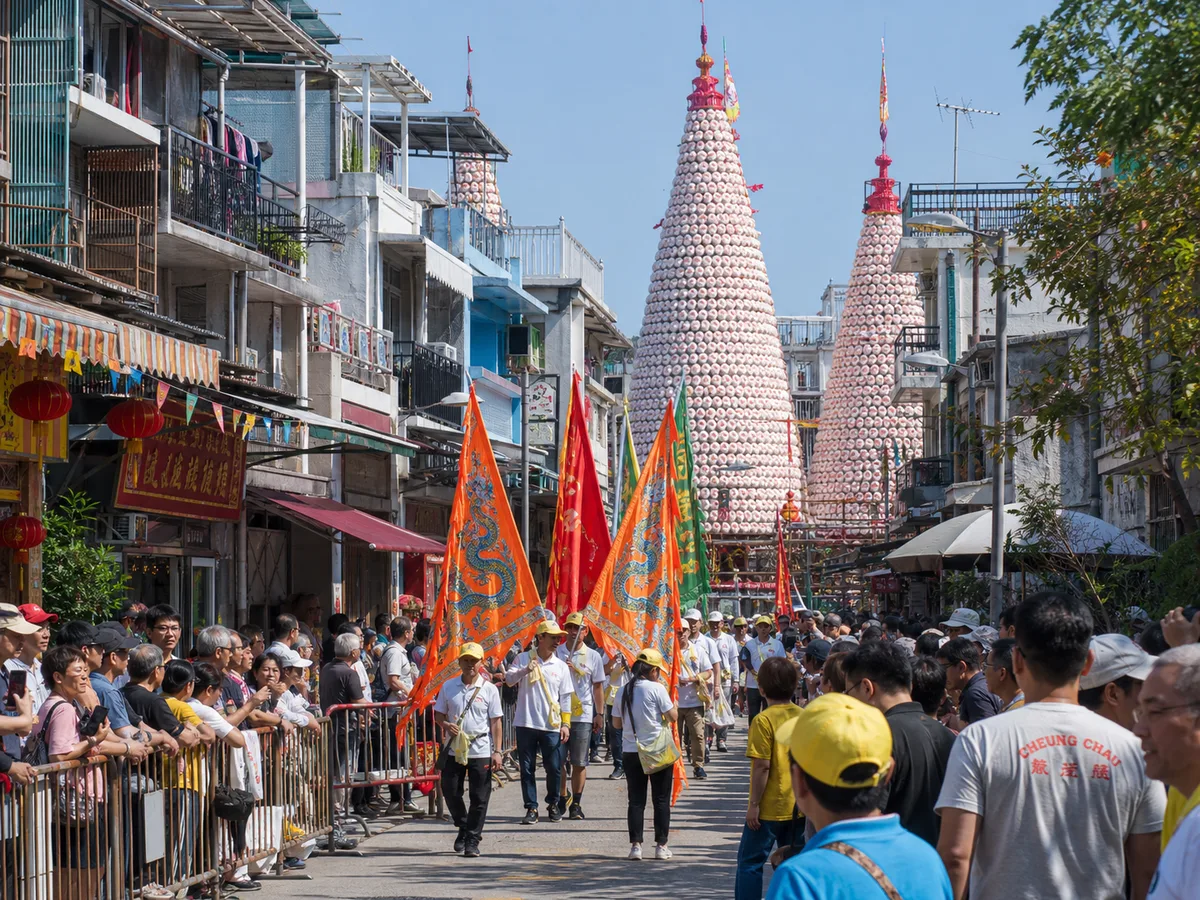
The Cheung Chau Bun Festival is a Hong Kong Tai Ping Qing Jiao held around the 8th day of the 4th lunar month. It includes Taoist ritual, vegetarian observance, peace buns, bun towers, deity processions, and the famous Piu Sik floating parade.
Updated May 21, 2026
Tam Kung Birthday
谭公诞 / 譚公誕
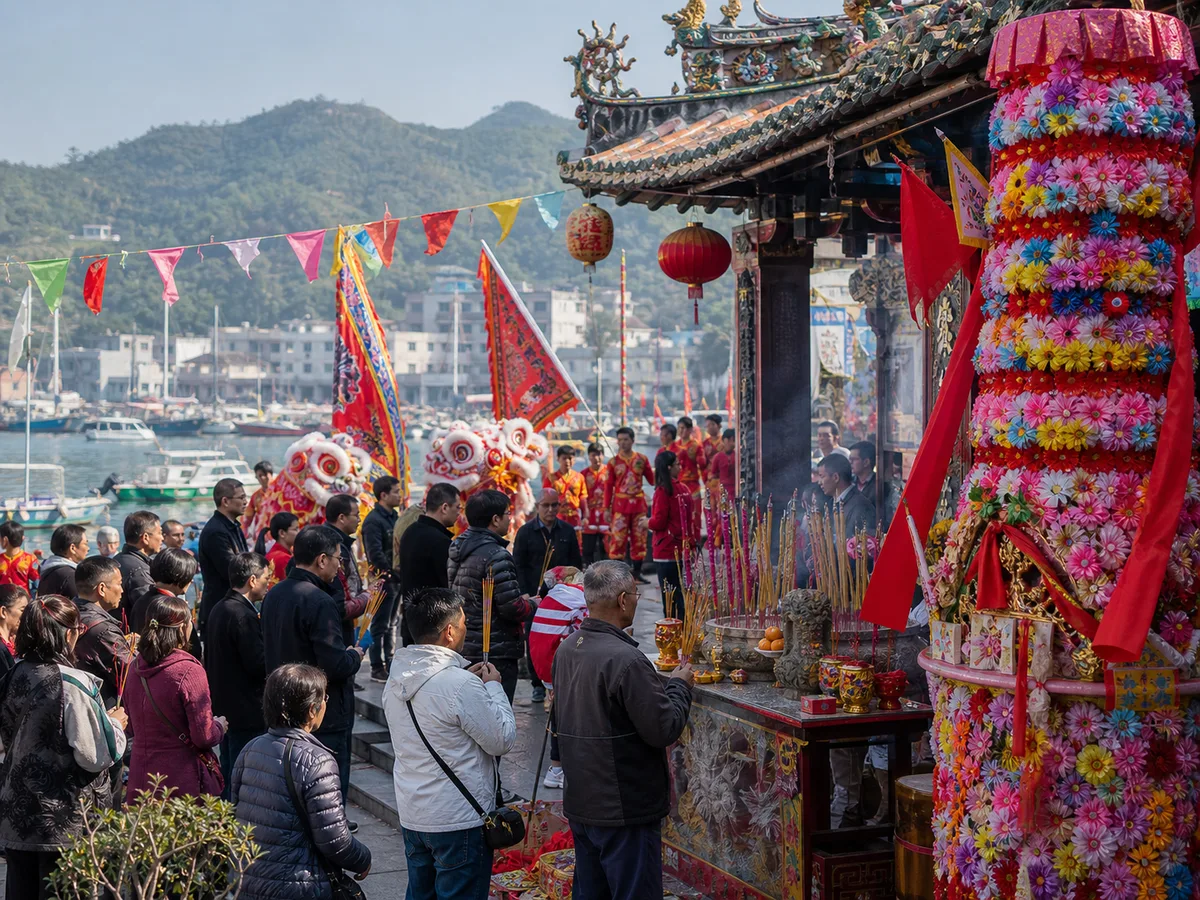
Tam Kung Birthday is observed on the 8th day of the 4th lunar month. In Hong Kong and Macau, devotees honor Tam Kung as a sea and weather deity with incense, offerings, temple prayers, lion or dragon dances, and processions in some communities.
Updated May 21, 2026
Vesak
卫塞节 / 衛塞節
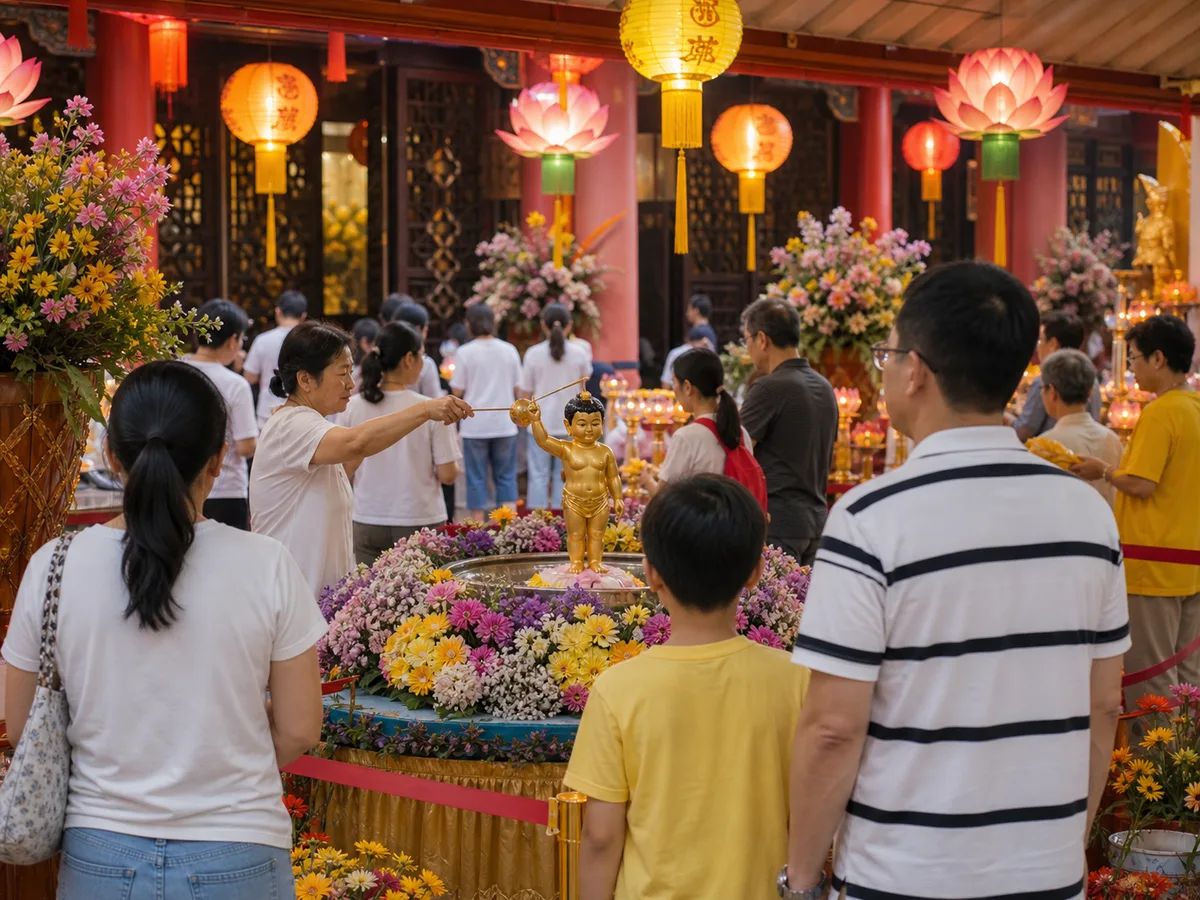
Vesak commemorates the Buddha's birth, awakening, and final nirvana in many Buddhist communities. In Chinese Buddhist temples, visitors may see bathing-the-Buddha stations, chanting, Dharma talks, flower and lamp offerings, vegetarian meals, donations, and merit dedication.
Updated May 21, 2026
Dragon Boat Festival
端午节 / 端午節
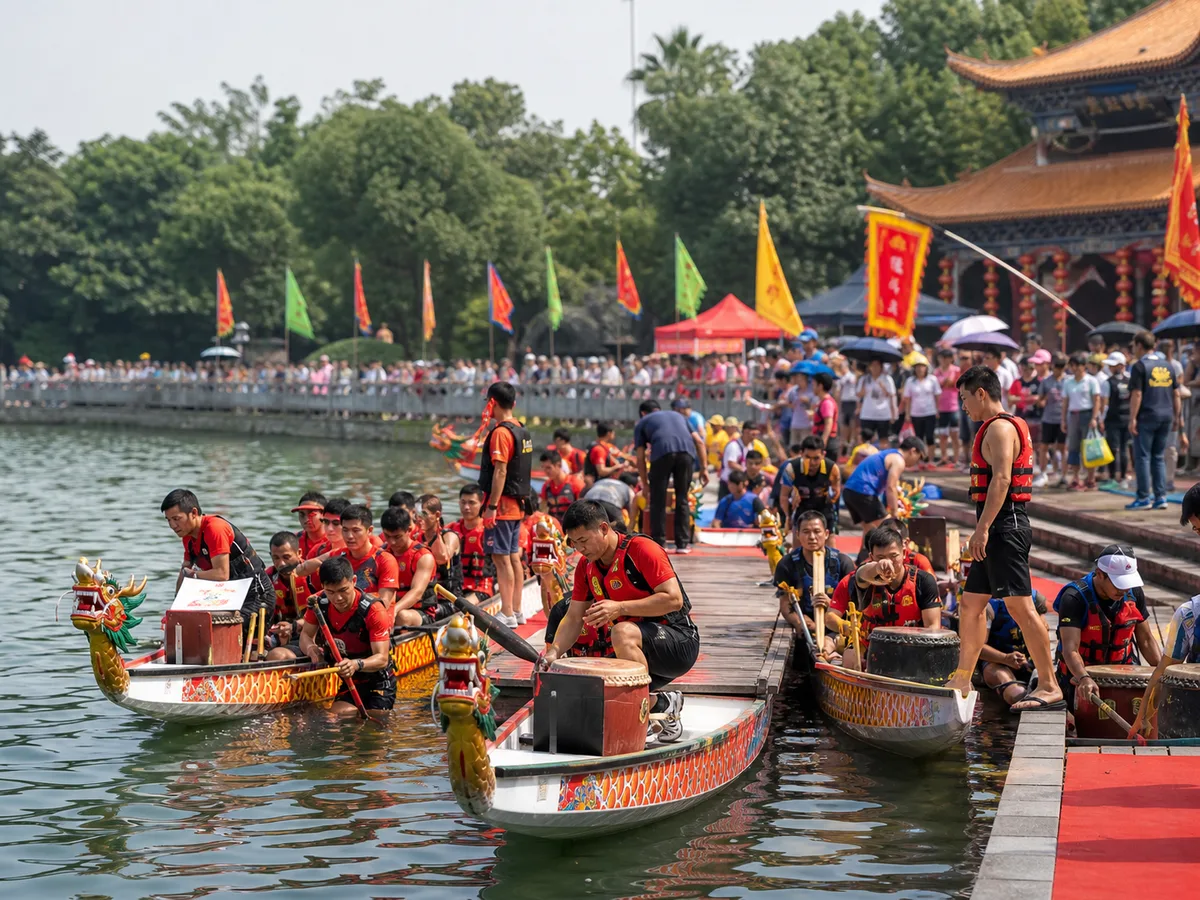
Dragon Boat Festival falls on the 5th day of the 5th lunar month. Chinese communities mark it with zongzi, dragon boat races, protective herbs or sachets in some regions, and local prayers connected to water, health, and remembrance.
Updated May 21, 2026
Na Tcha Birthday
哪吒诞 / 哪吒誕
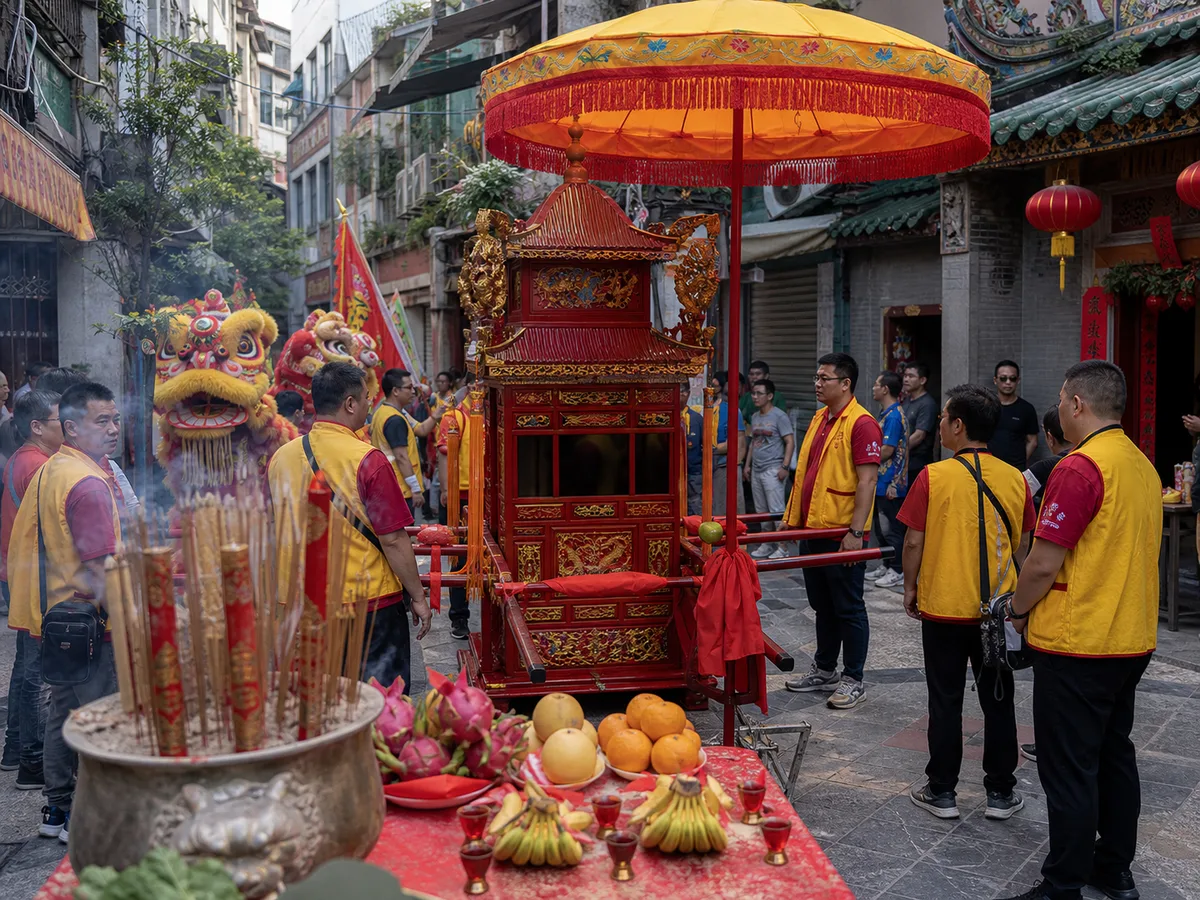
Na Tcha Birthday observances are especially visible in Macao, where Na Tcha customs and beliefs are recognized as intangible cultural heritage. Na Tcha's birthday is commonly given as the 18th day of the 5th lunar month, while annual Macao festival programming still needs local verification. Devotees honor the protective child deity with incense, offerings, temple rites, and processions using sedan chairs and ceremonial objects.
Updated May 21, 2026
Guan Di Birthday
关帝诞 / 關帝誕
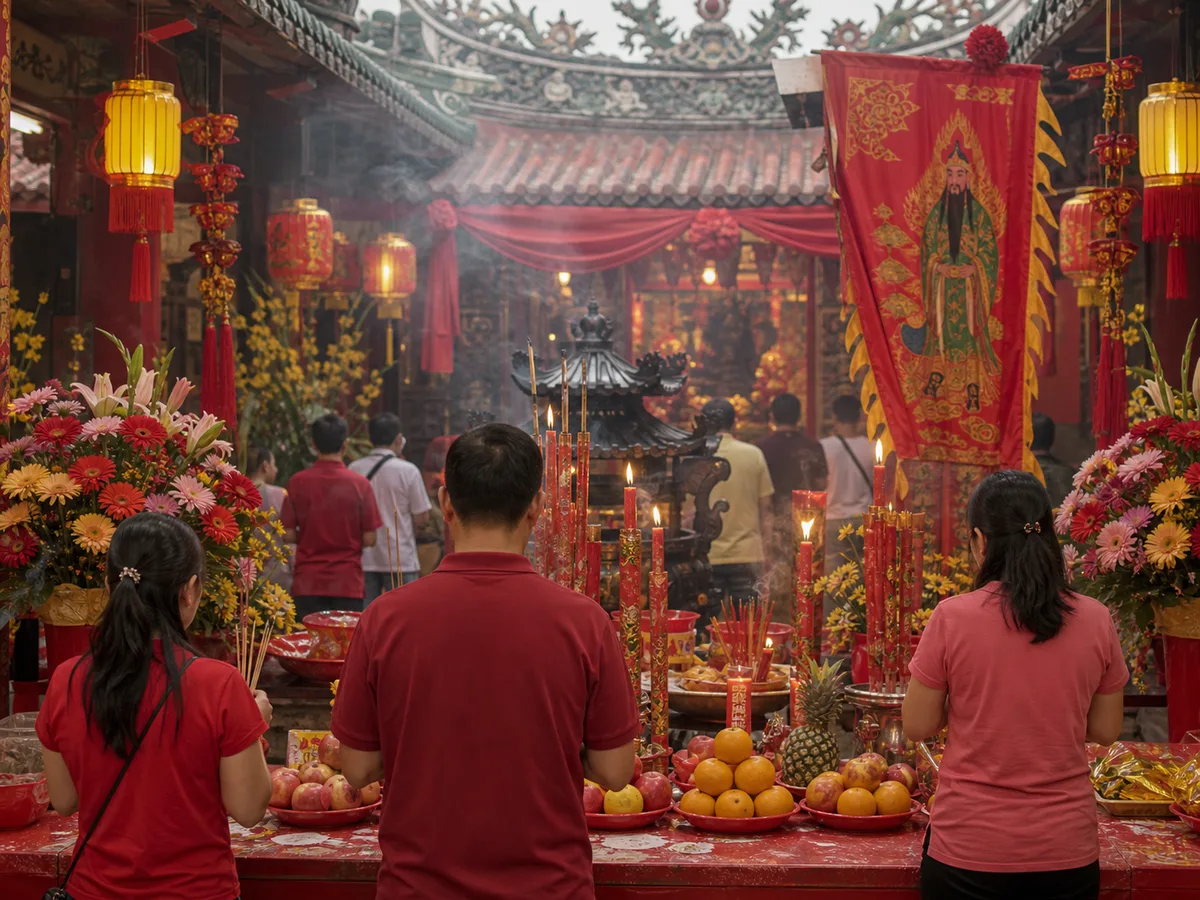
Guan Di Birthday is commonly associated with the 24th day of the 6th lunar month, though some temples mark related Guan family or martial observances on other dates. Devotees honor Guan Di for loyalty, righteousness, protection, integrity, and business trust.
Updated May 21, 2026
Qixi Festival
七夕节 / 七夕節
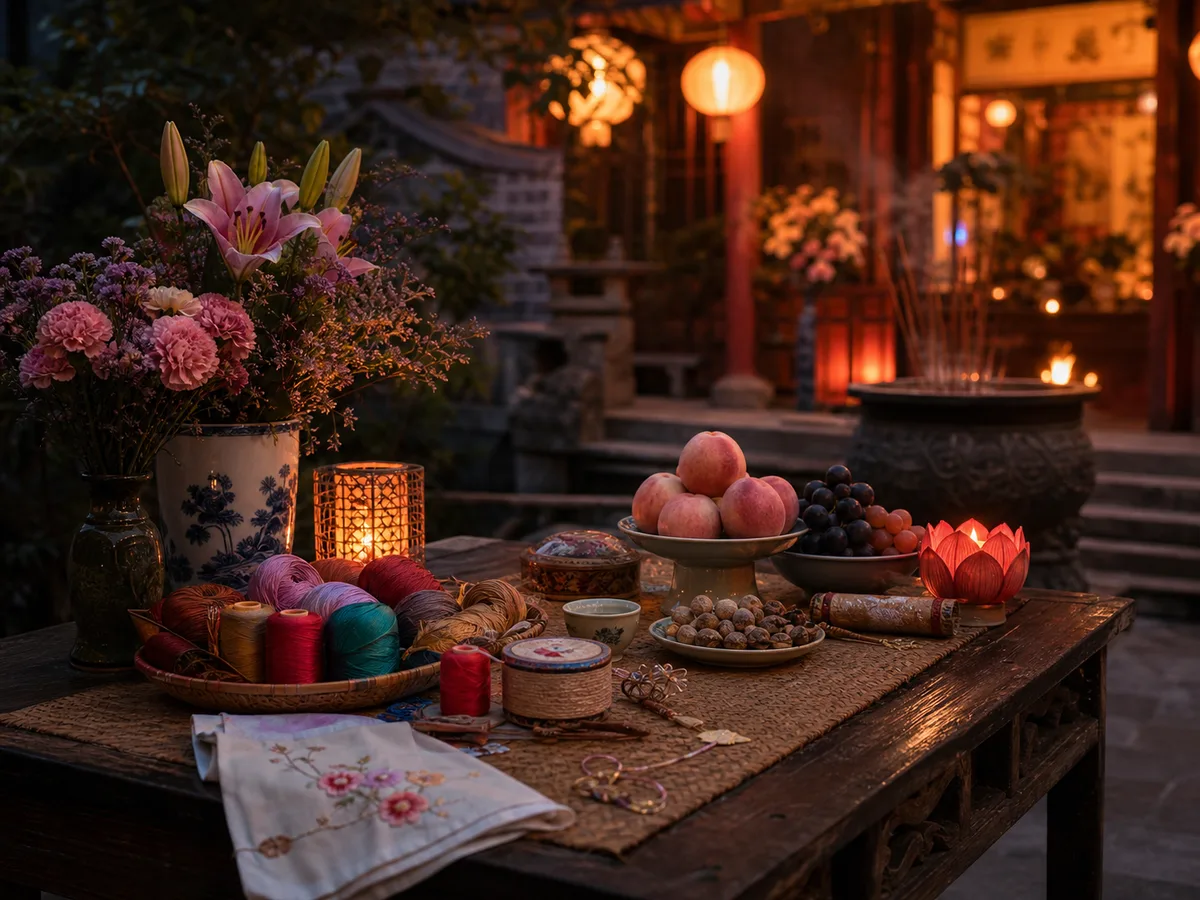
Qixi Festival falls on the 7th day of the 7th lunar month. It is associated with the annual meeting of the Weaver Girl and Cowherd, older skill-seeking customs, and in modern settings, prayers or offerings for relationships and blessings.
Updated May 21, 2026
Zhong Yuan Jie
中元节 / 盂兰盆节
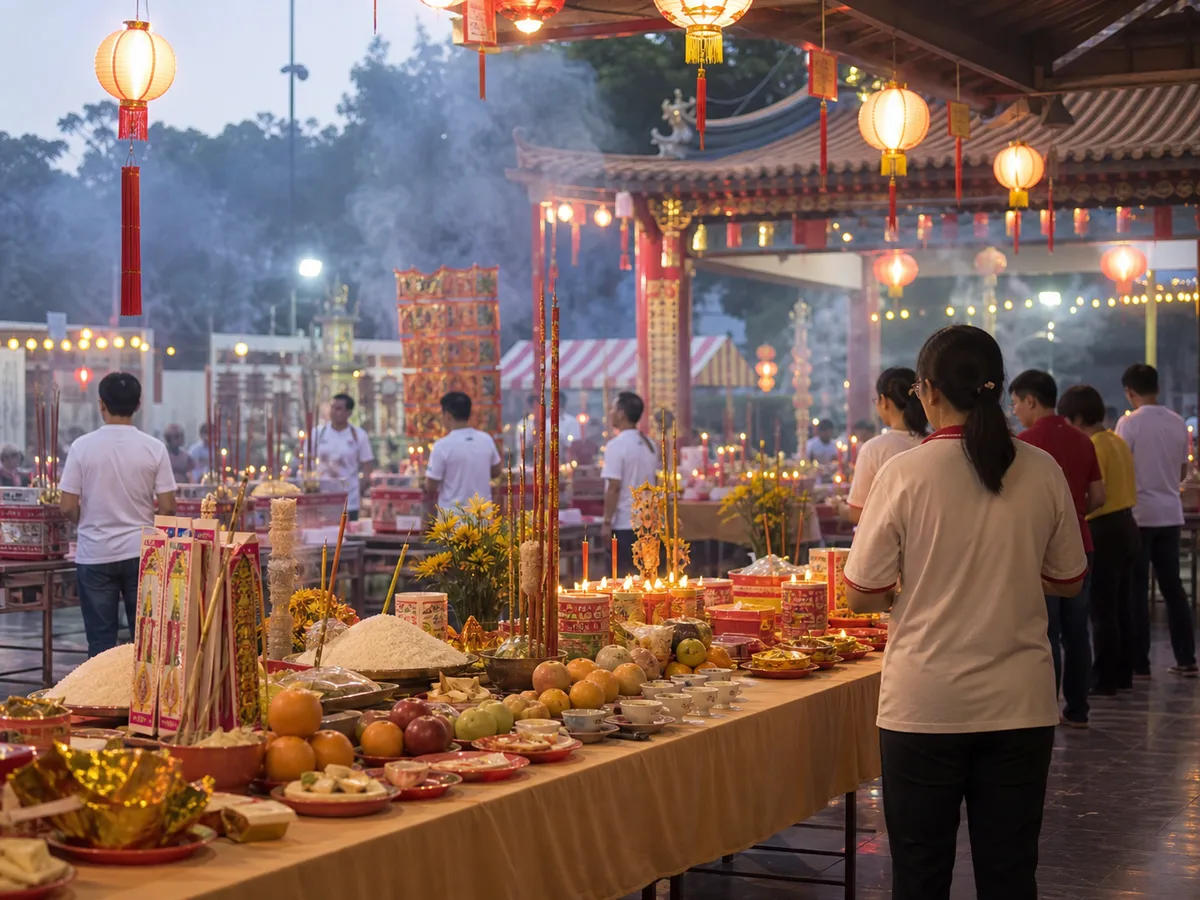
Zhong Yuan Jie, often called Hungry Ghost Festival, is observed during the 7th lunar month for ancestors and wandering spirits. Families, temples, and community groups make food, incense, paper, chanting, and merit offerings, while public getai or community events may appear in some neighborhoods.
Updated May 21, 2026
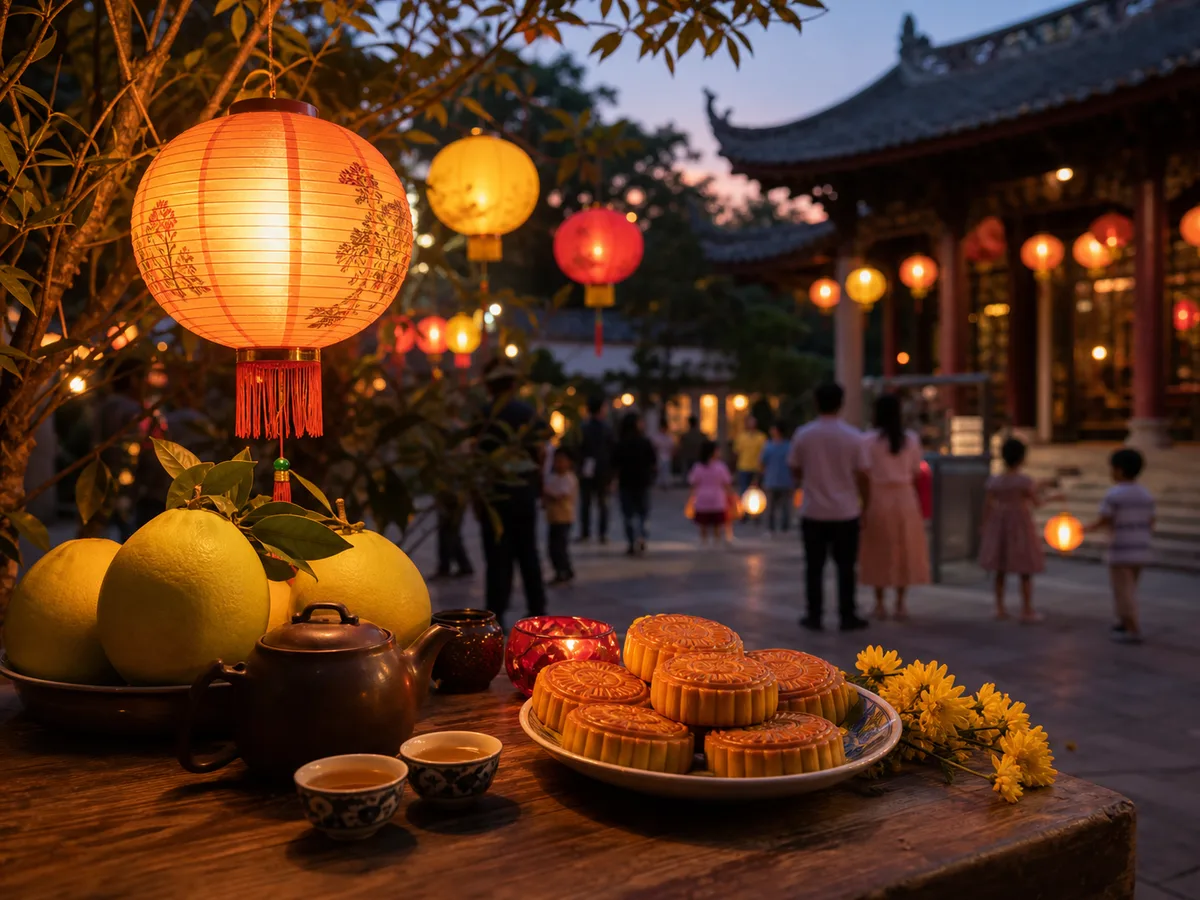
Mid-Autumn Festival
中秋节 / 中秋節
Mid-Autumn Festival falls on the 15th day of the 8th lunar month. Families and communities mark reunion with mooncakes, lanterns, moon viewing, festive meals, and in some households, offerings to ancestors or moon-associated deities.
Updated May 21, 2026
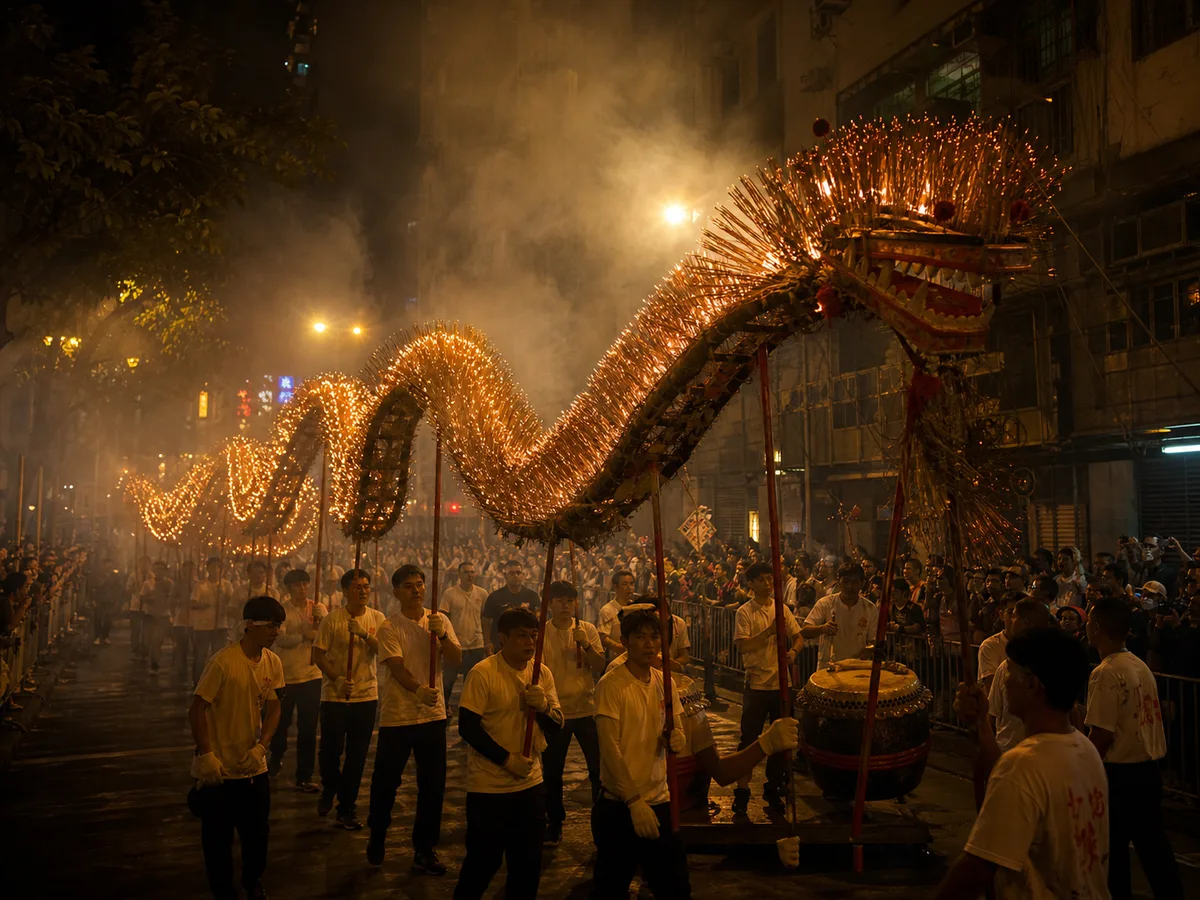
Tai Hang Fire Dragon Dance
大坑舞火龙 / 大坑舞火龍
The Tai Hang Fire Dragon Dance is performed around Mid-Autumn Festival in Hong Kong. A long dragon fitted with incense is carried through Tai Hang with drums and community teams, continuing a local protection tradition now recognized as intangible cultural heritage.
Updated May 21, 2026
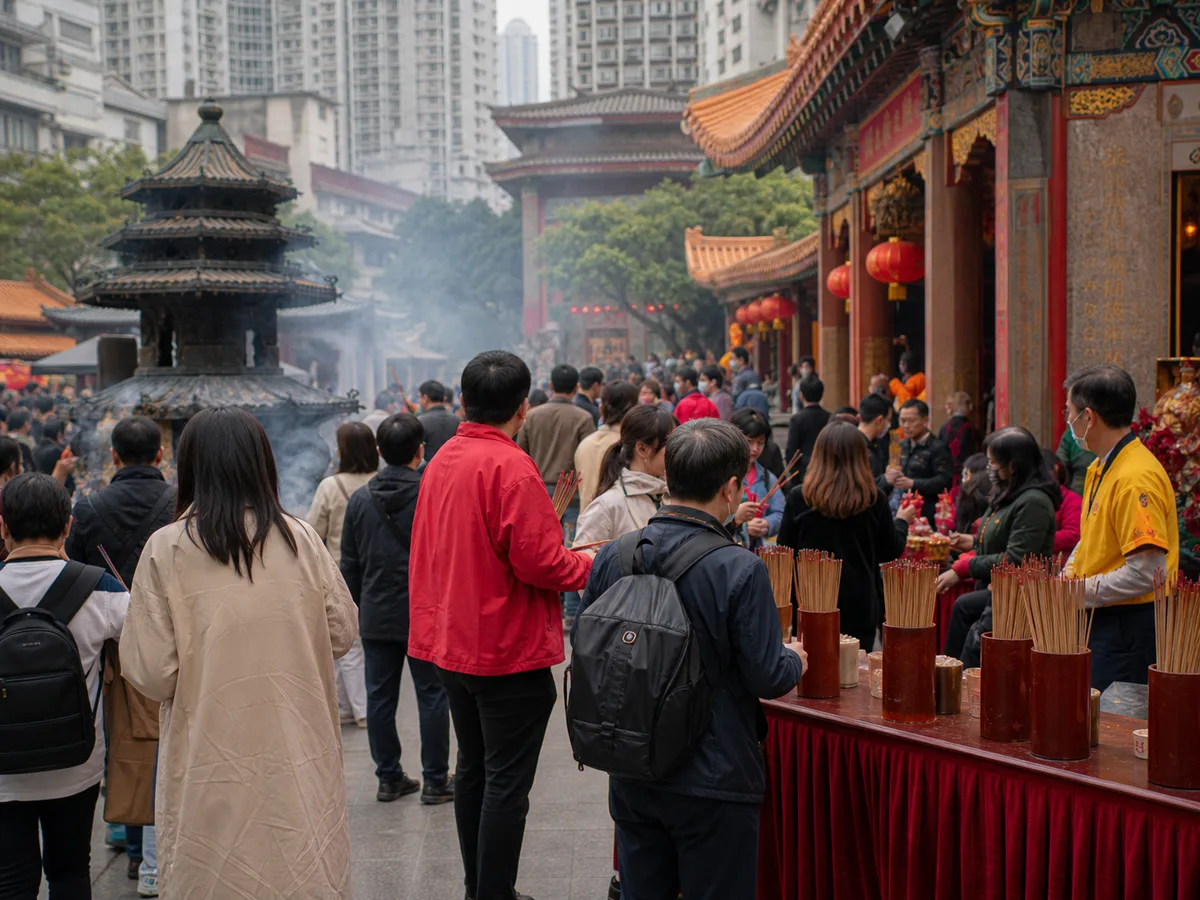
Wong Tai Sin Birthday
黄大仙诞 / 黃大仙誕
Wong Tai Sin Birthday is observed on the 23rd day of the 8th lunar month. Devotees visit Wong Tai Sin temples, especially in Hong Kong, to offer incense, seek healing and blessings, and in some contexts use kau chim divination.
Updated May 21, 2026
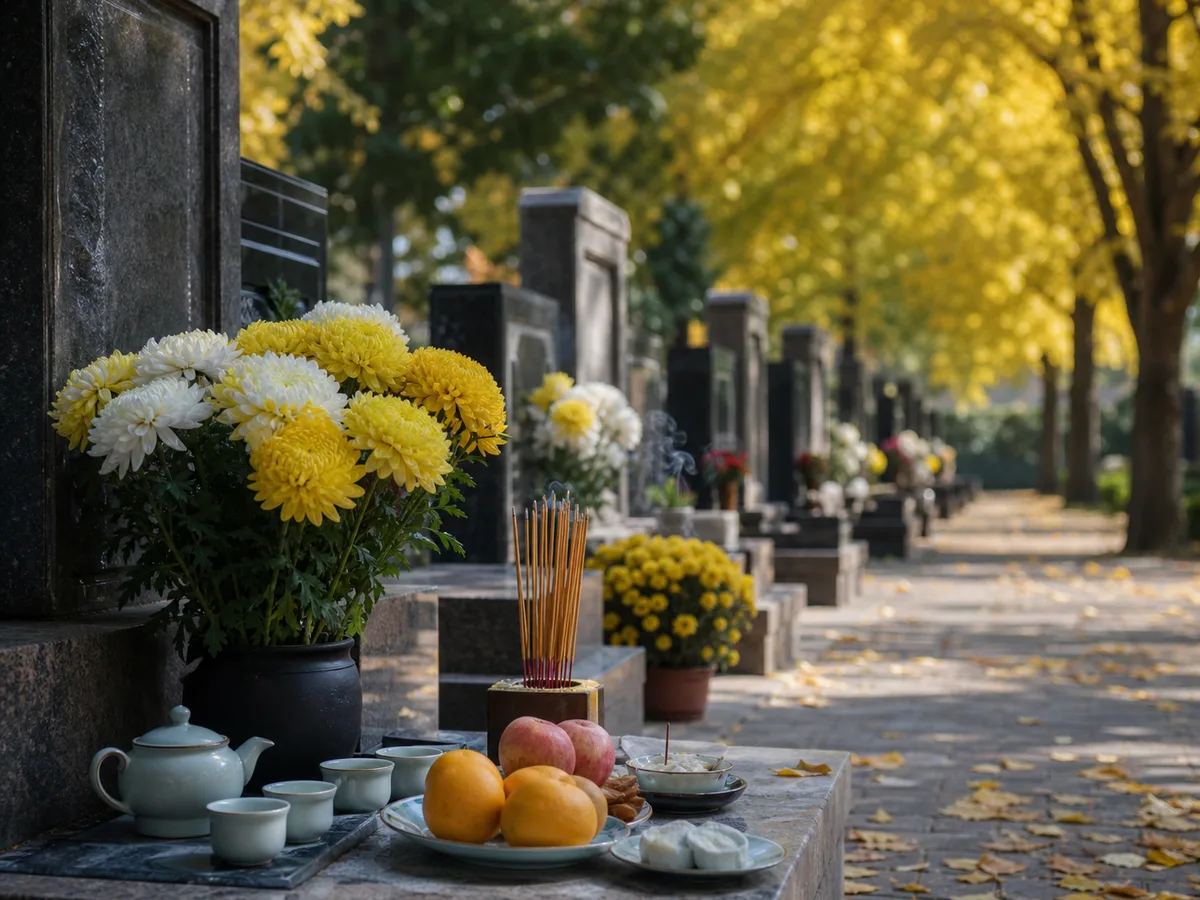
Chong Yang Festival
重阳节 / 重陽節
Chong Yang Festival falls on the 9th day of the 9th lunar month. Traditions include climbing heights, chrysanthemum customs, elder respect, and in Hong Kong and many families, grave visits and ancestor offerings similar in spirit to Qing Ming.
Updated May 21, 2026
Dou Mu Birthday
斗母诞 / 斗母誕
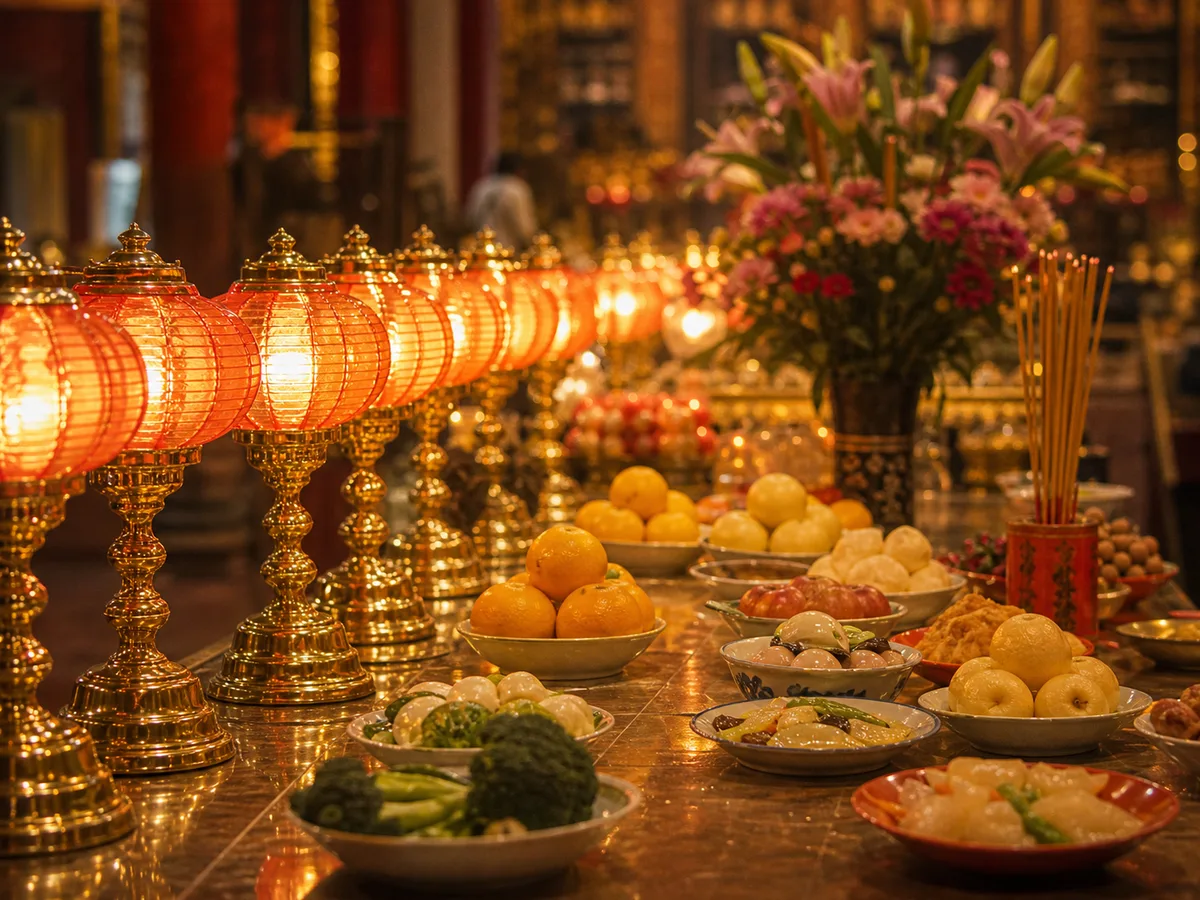
Dou Mu Birthday honors the Mother of the Dipper and is often connected with Nine Emperor Gods temple traditions in Southeast Asia. It is commonly tied to the 9th day of the 9th lunar month in Nine Emperor Gods contexts, but public rites still vary by lineage. Lamps, vegetarian offerings, chanting, and Dipper-related prayers are common themes.
Updated May 21, 2026
Kusu Island Pilgrimage
龟屿进香 / 龜嶼進香
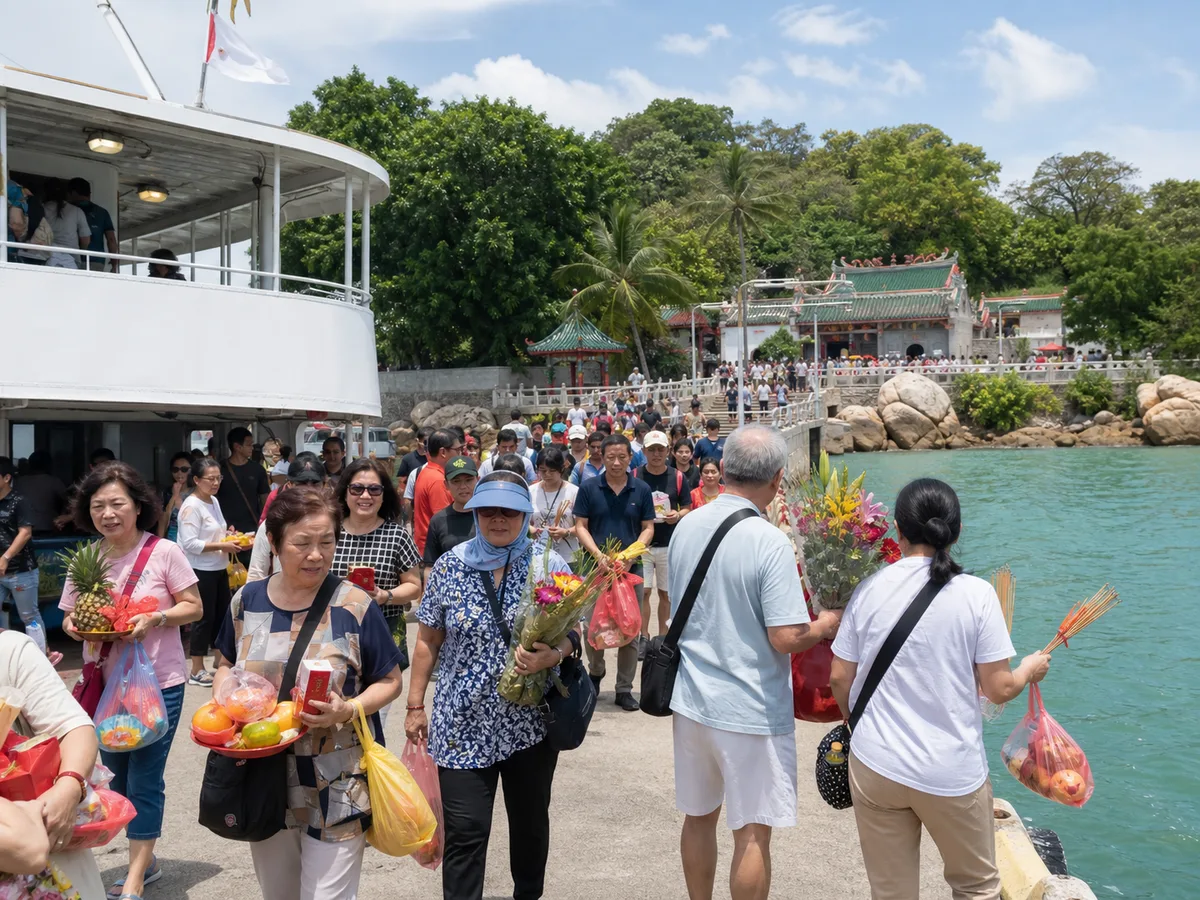
Singapore's 2026 Kusu Island Pilgrimage runs from 10 October to 8 November, during the 9th lunar month, according to the Singapore Land Authority. Book the appointed Singapore Island Cruise ferry from Marina South Pier. Devotees pray at the Tua Pek Kong temple; many also visit the keramat shrines, following each site's distinct traditions and offering rules.
Updated October 4, 2026
Nine Emperor Gods Festival
九皇爷诞 / 九皇大帝诞
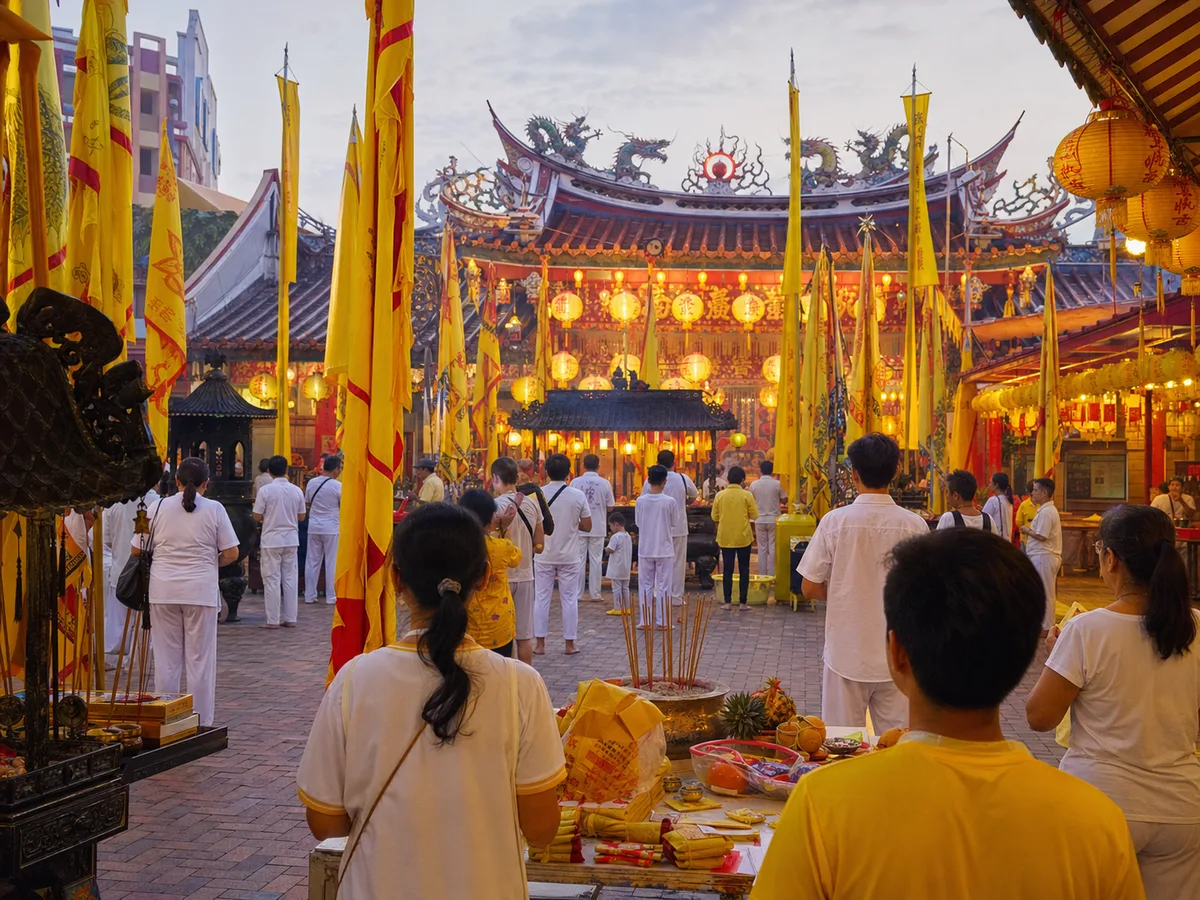
The Nine Emperor Gods Festival is a nine-day Chinese temple festival around the 9th lunar month. In Singapore, Malaysia, and Thailand, devotees commonly observe vegetarian discipline, temple prayers, lamps, invitation rites, and send-off ceremonies, but the exact sequence depends on each temple lineage.
Updated May 21, 2026
Xia Yuan Festival
下元节
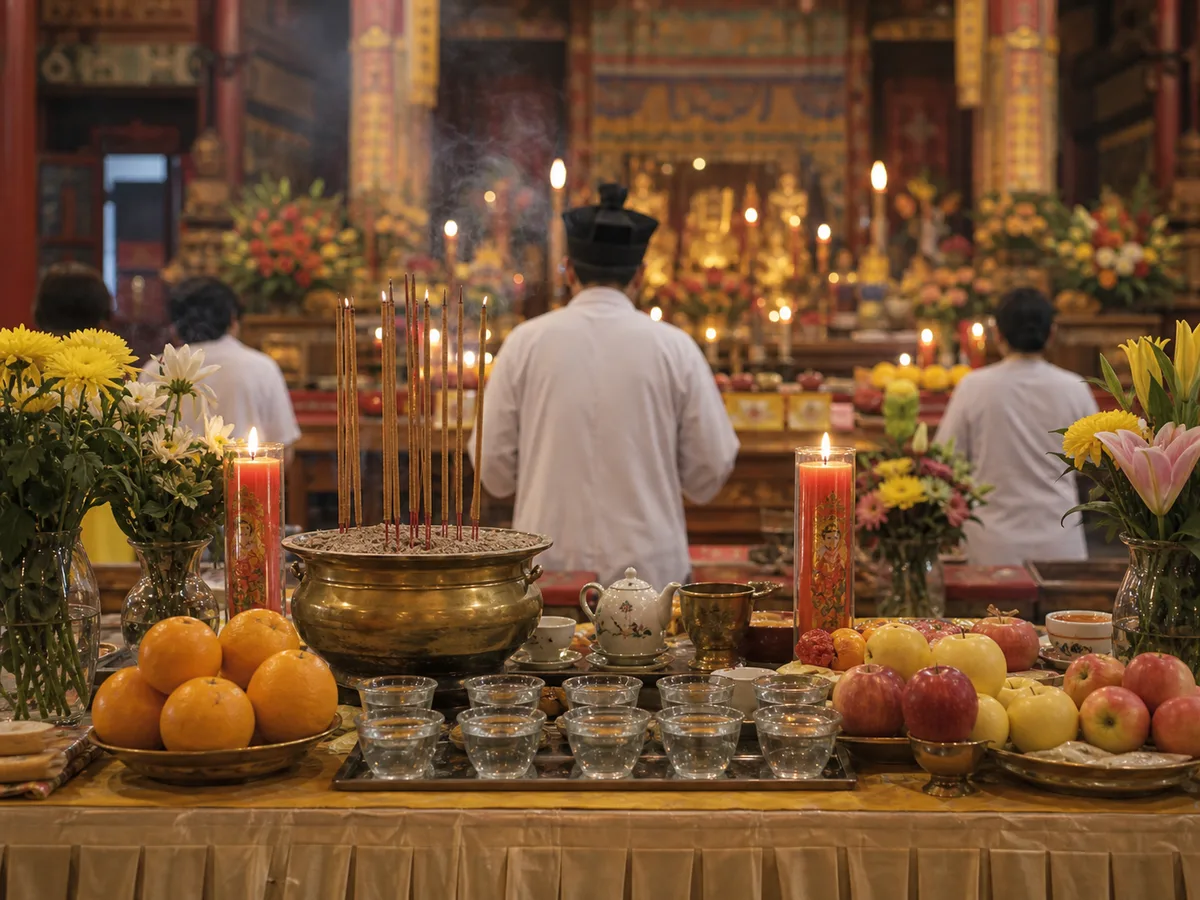
Xia Yuan Festival falls on the 15th day of the 10th lunar month and is associated with the Water Official in the Taoist Three Officials cycle. Some temples observe it with repentance, relief, blessing, incense, and merit rites, but it is less publicly visible than Zhong Yuan.
Updated May 21, 2026
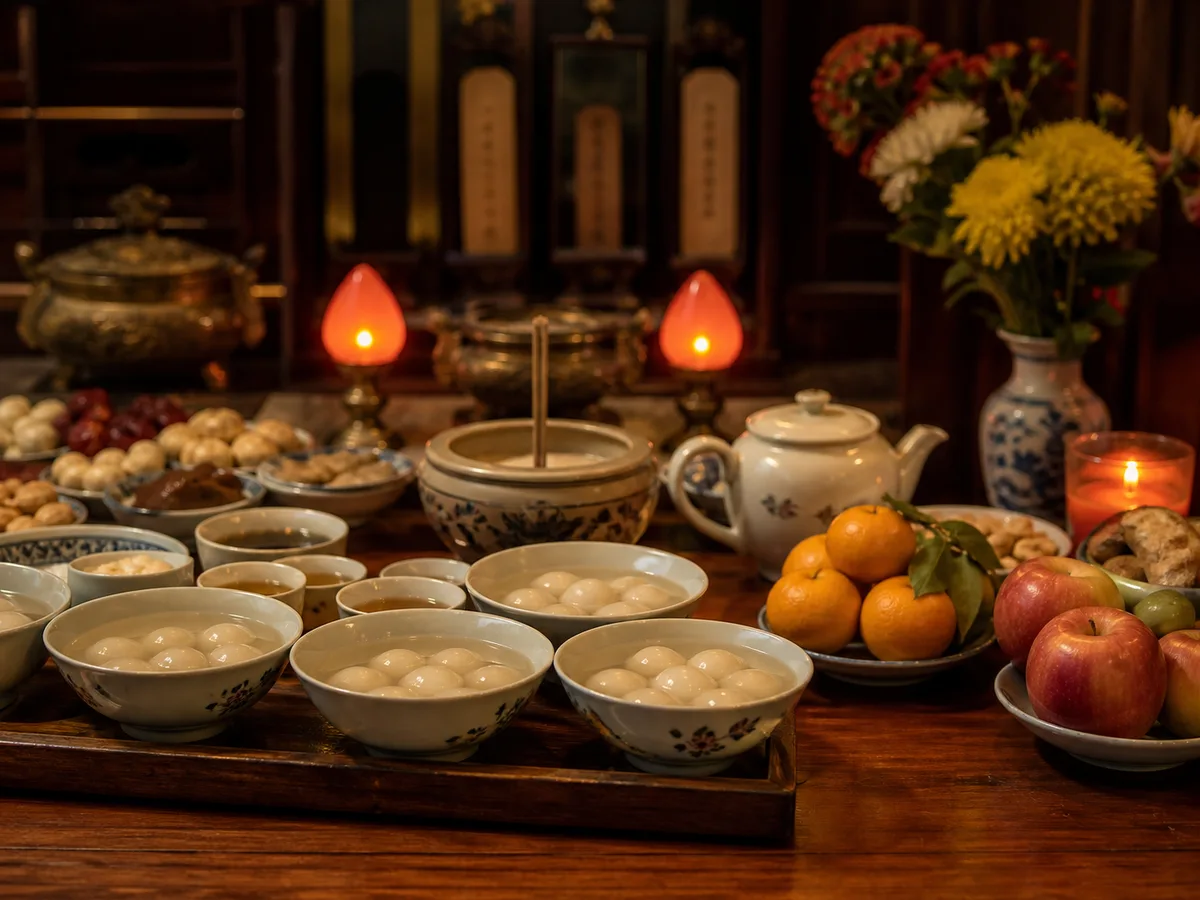
Dongzhi Ancestor Rites
冬至祭祖
Dongzhi falls around December 21 or 22 on the solar calendar. Many Chinese families mark the winter solstice with reunion meals, tangyuan or regional foods, and ancestor offerings at home altars, ancestral halls, temples, or graves depending on custom.
Updated May 21, 2026
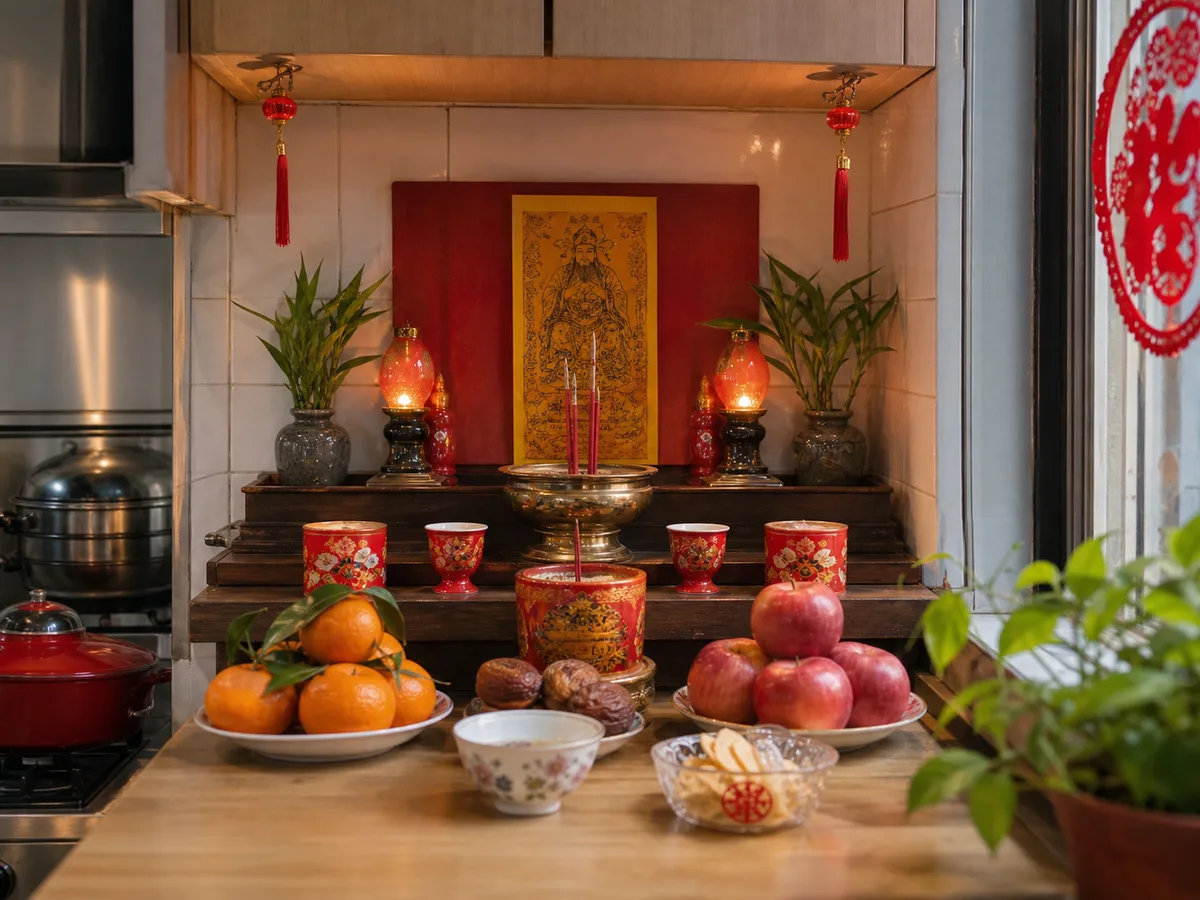
Kitchen God Send-Off
送灶 / 祭灶
The Kitchen God Send-Off is commonly observed on the 23rd or 24th day of the 12th lunar month before Chinese New Year. Families may offer incense, tea, fruit, sweets, and prayers as Zao Jun is believed to report the household's conduct to Heaven.
Updated May 21, 2026
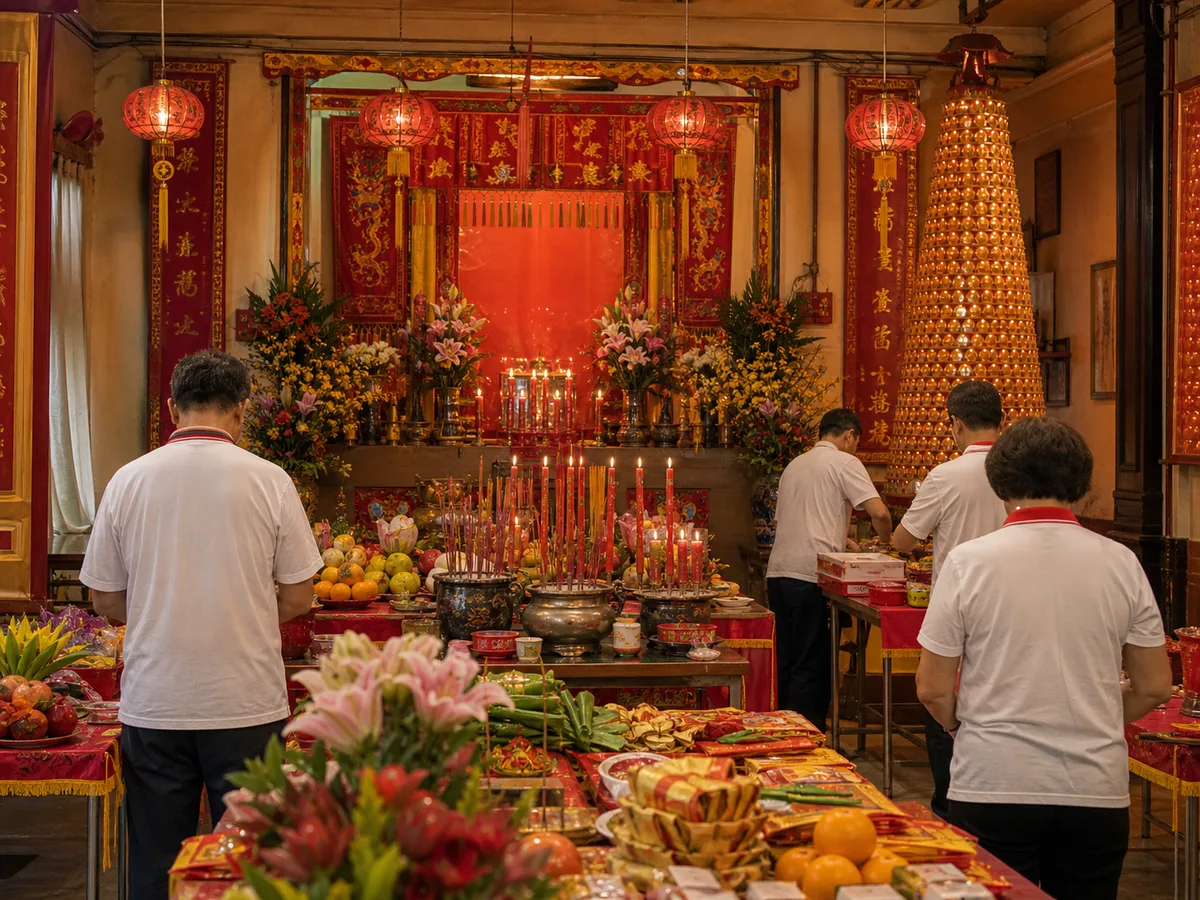
Cheng Huang Birthday
城隍诞 / 城隍誕
Cheng Huang Birthday honors the City God, a protector and moral guardian associated with a locality. There is no single universal date across all temples, so visitors should rely on the local temple calendar for the birthday rite, procession, or blessing schedule.
Updated May 21, 2026
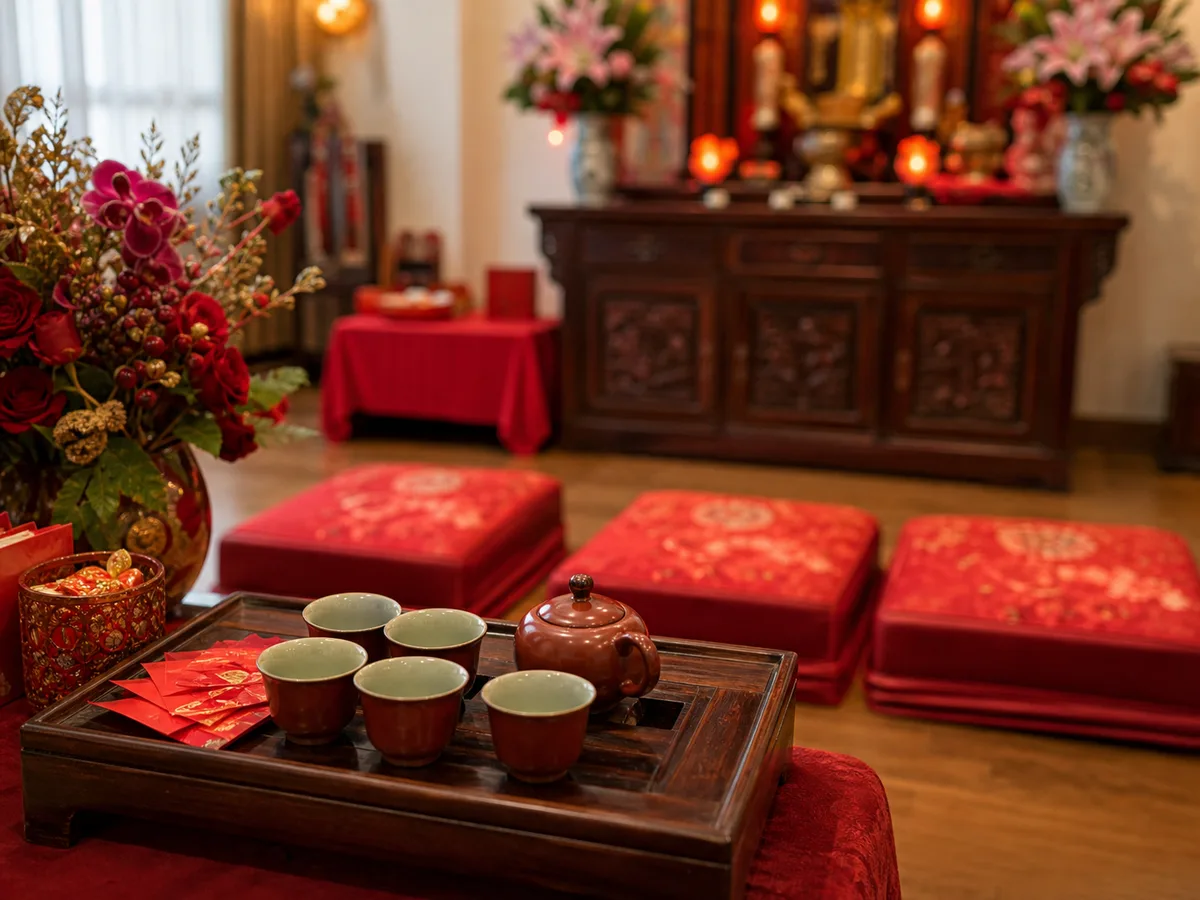
Chinese Wedding Tea Ceremony
敬茶仪式 / 敬茶儀式
A Chinese Wedding Tea Ceremony is a family rite in which a couple serves tea to parents and elders, usually receiving blessings or gifts in return. Some families also offer tea at an ancestral altar to inform and honor ancestors.
Updated May 21, 2026
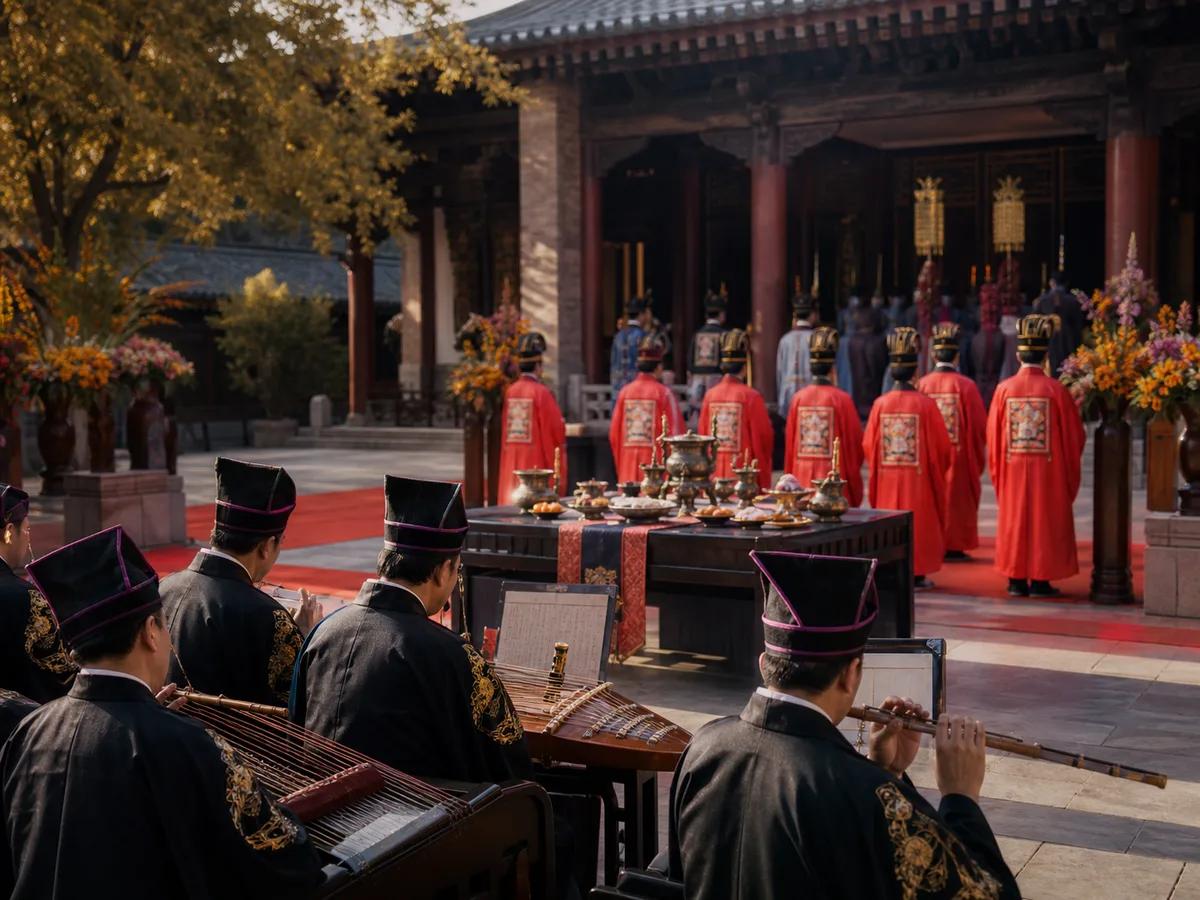
Confucius Birthday Rites
孔子诞辰祭典 / 孔子誕辰祭典
Confucius Birthday rites are commonly observed on September 28 in modern public ceremonies, while some traditions note lunar dating. Ceremonies at Confucian temples may include offerings, ritual music, dance, bows, and speeches honoring learning and teachers.
Updated May 21, 2026
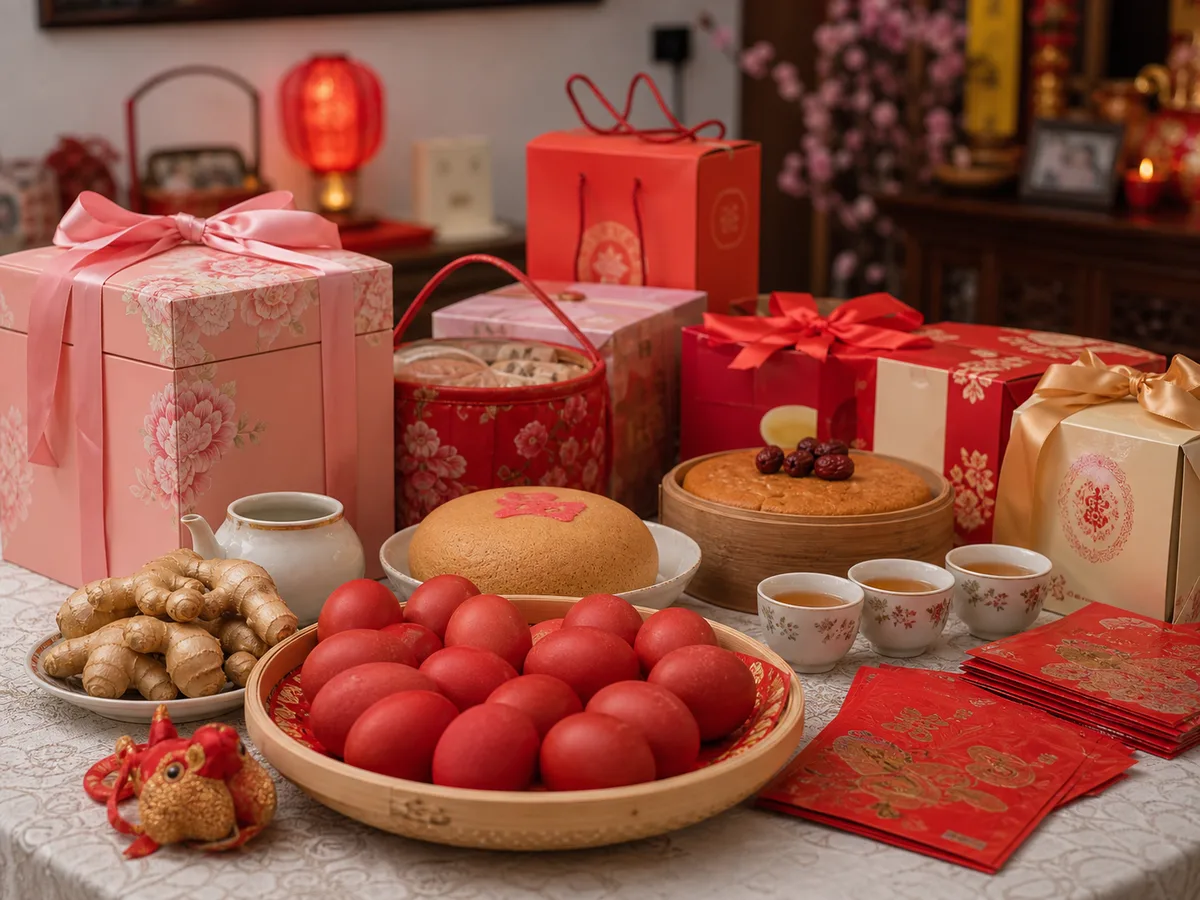
Full Month Red Egg Ceremony
满月礼 / 滿月禮
A Full Month Red Egg Ceremony marks a baby's completion of the first month. Families may share red eggs, ginger, cakes, or meals, introduce the baby to relatives, receive blessings, and in some households thank ancestors or household deities.
Updated May 21, 2026
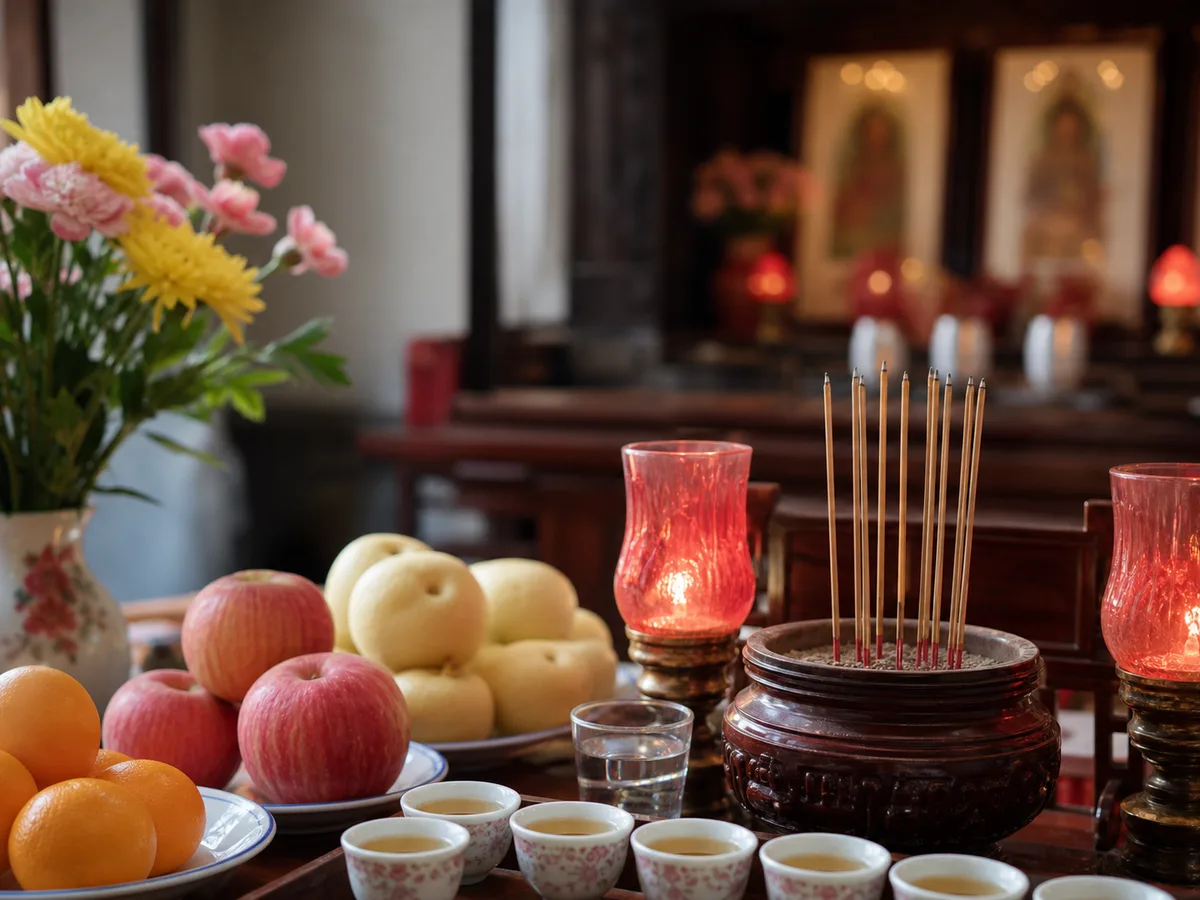
Home Altar First and Fifteenth Prayers
初一十五拜拜
Many Chinese households make home altar prayers on the 1st and 15th days of each lunar month. Offerings may include tea, fruit, incense, flowers, lamps, and food for household deities, Guan Yin, ancestors, or other family altar focuses.
Updated May 21, 2026
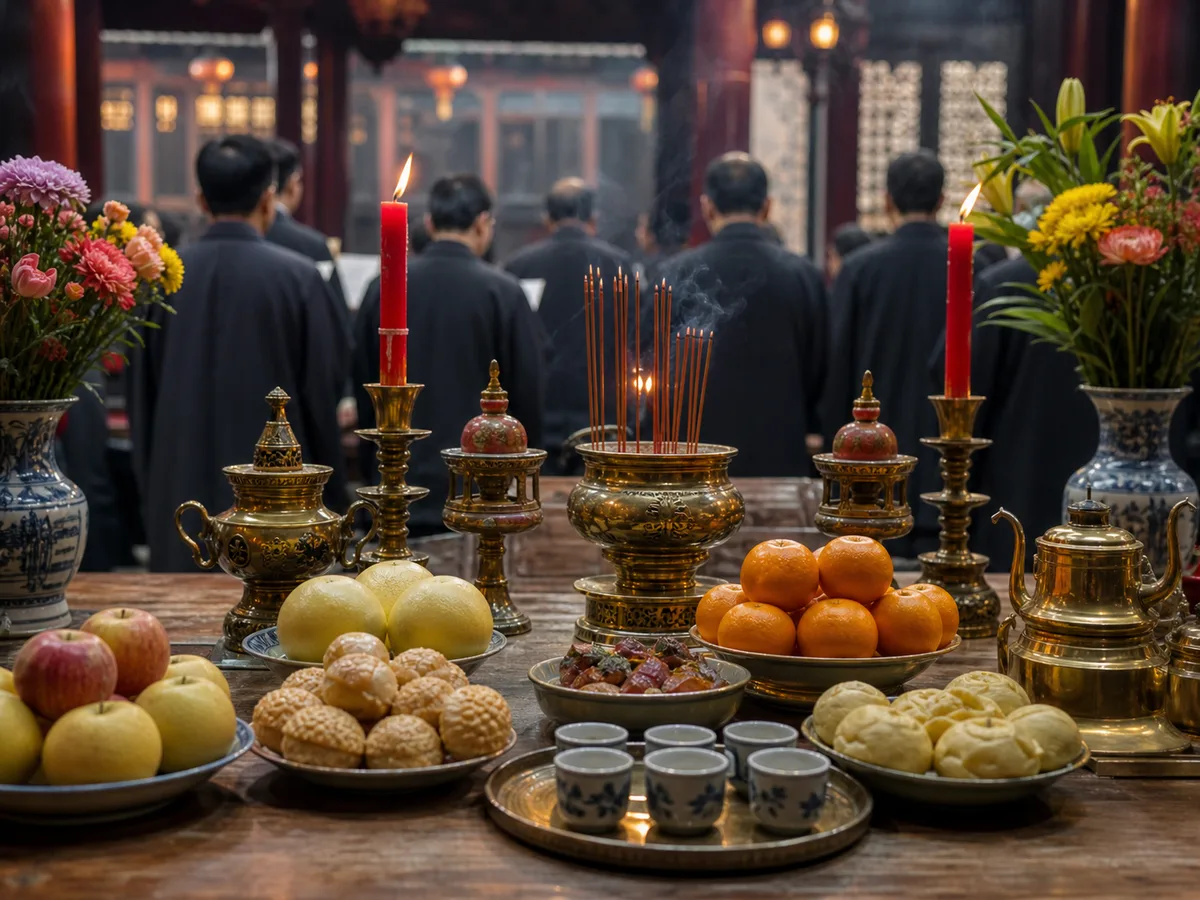
Spring and Autumn Ancestral Rites
春秋二祭
Spring and Autumn Ancestral Rites are clan or lineage ceremonies honoring ancestors at ancestral halls or graves. Timing varies, but spring rites may fall in the 2nd or 4th lunar month or near the spring equinox, while autumn rites may fall in the 9th lunar month, near the autumn equinox, or around Chung Yeung.
Updated May 21, 2026
Temple Anniversary
庙庆 / 廟慶
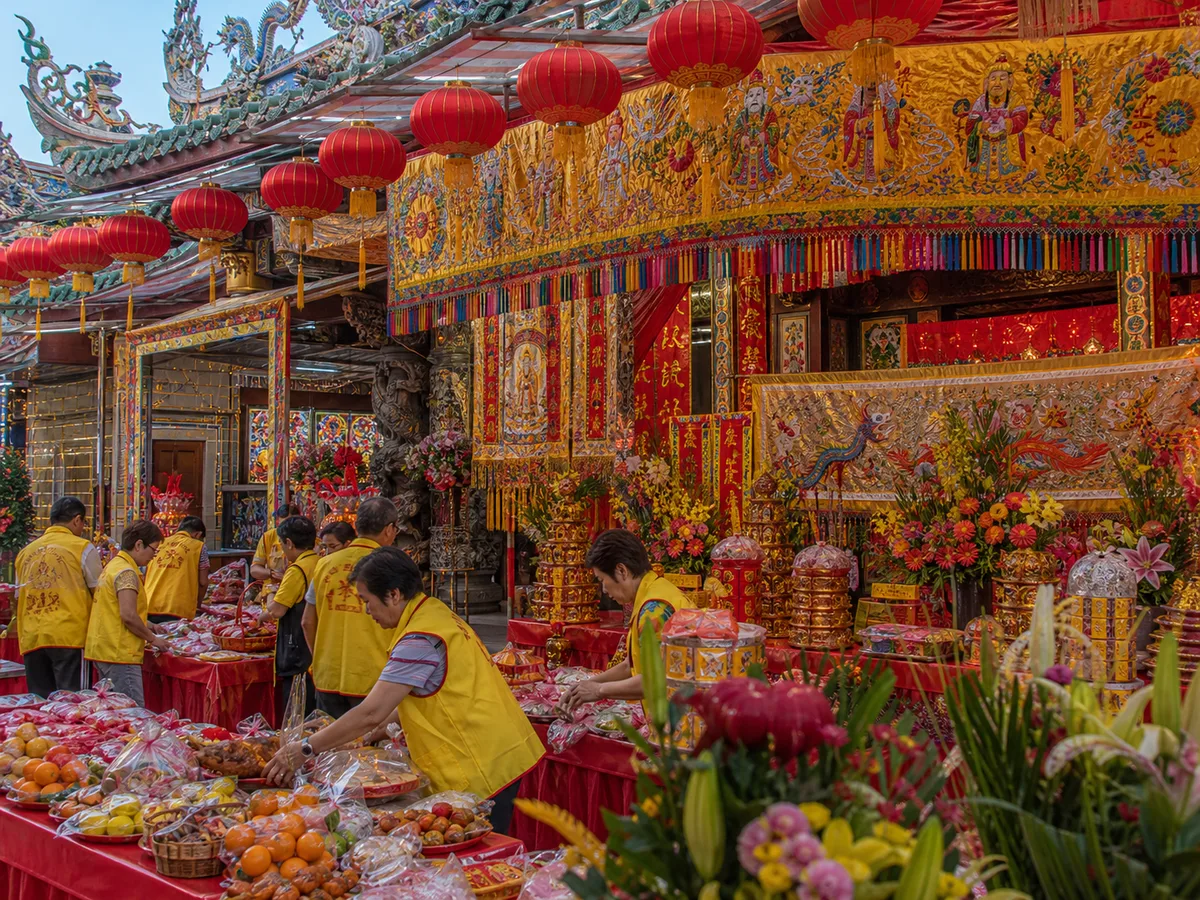
A Chinese temple anniversary is a temple-specific celebration of founding, consecration, renovation, relocation, or deity installation. It may include incense, offerings, priest-led rites, opera, vegetarian meals, donor acknowledgements, processions, and community banquets.
Updated May 21, 2026
Thanksgiving Vow Return
还愿 / 還願
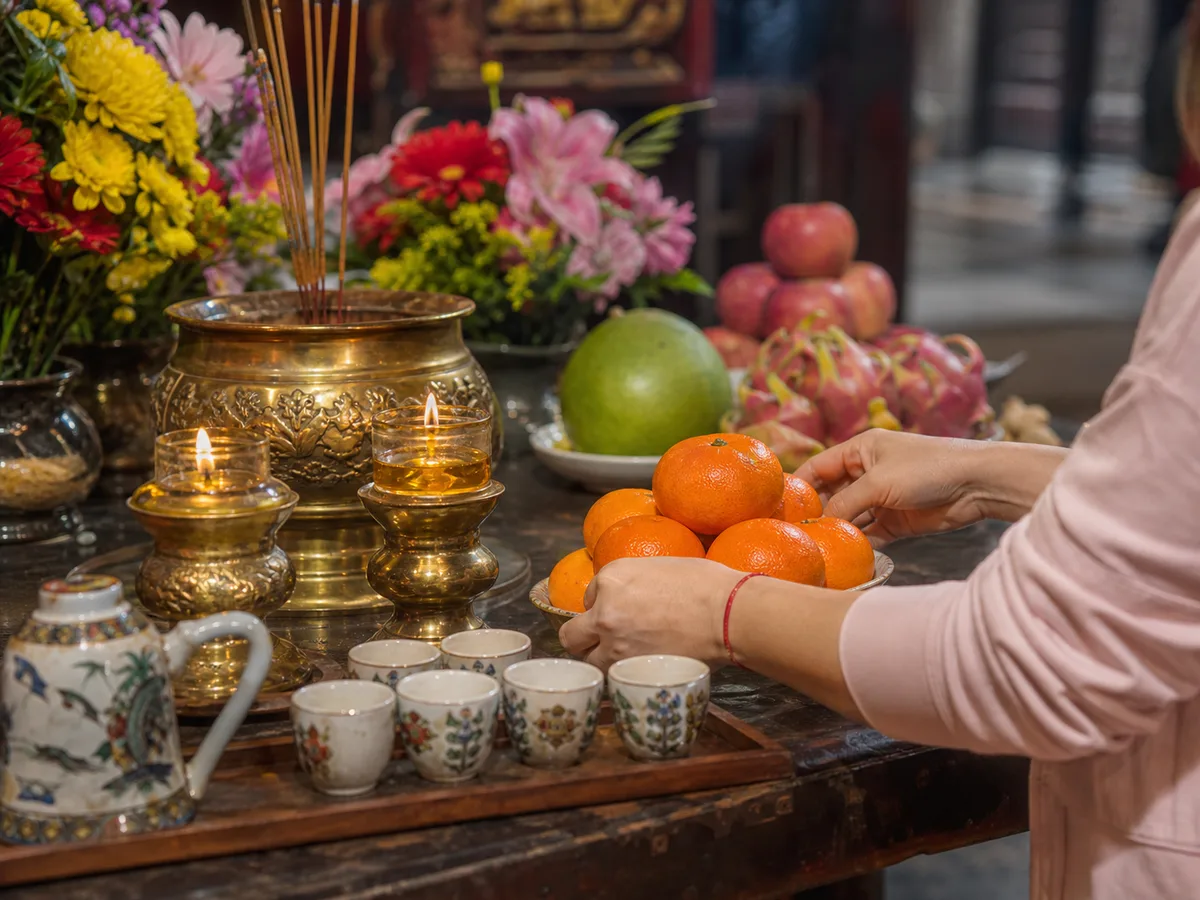
A thanksgiving vow return, or huan yuan, is a return visit made after a prayer, vow, or petition is fulfilled. Devotees thank the deity with incense, offerings, donations, lamps, vegetarian meals, opera sponsorship, or other actions promised under temple guidance.
Updated May 21, 2026
Yew Keng Procession
游境 / 遊境
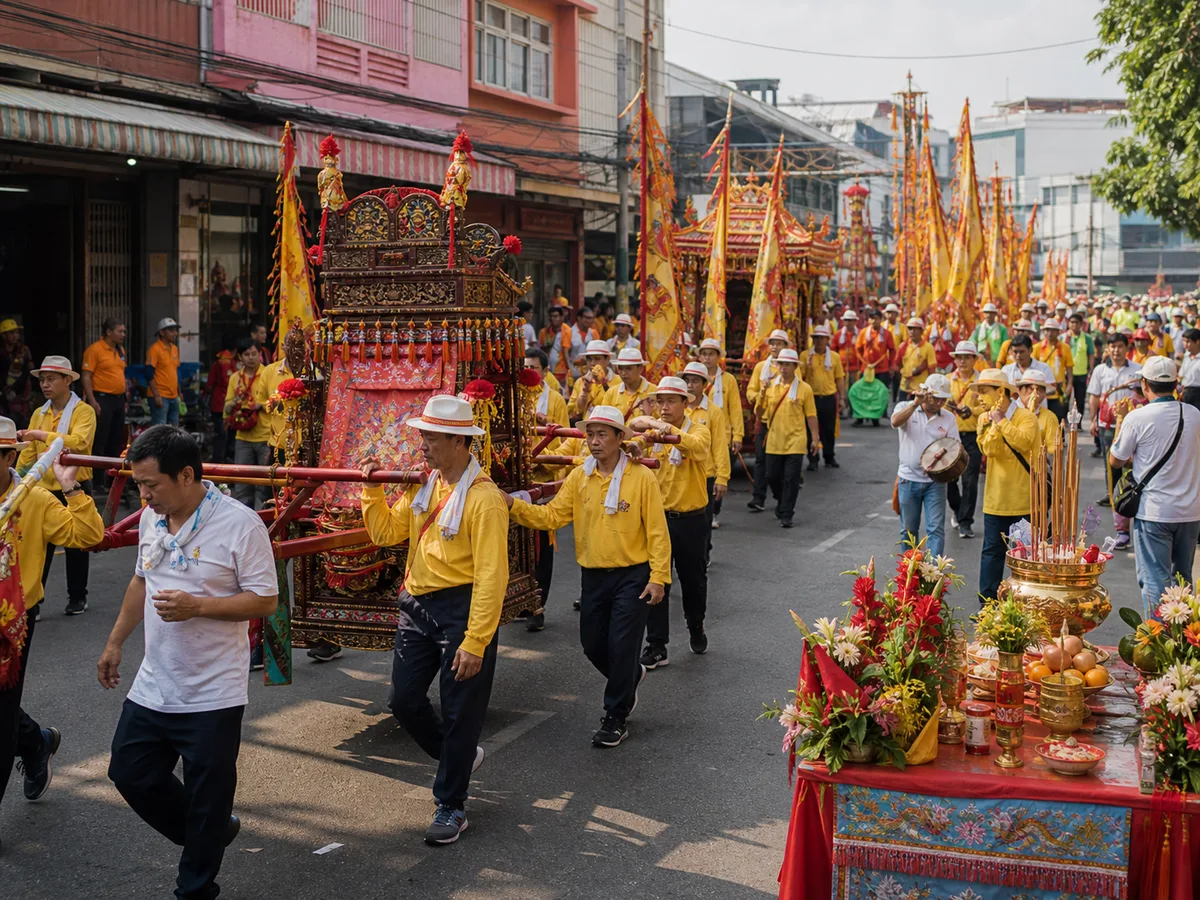
A yew keng procession is a temple circuit or deity visitation route. In Southeast Asian Chinese communities, temple teams may carry palanquins, banners, incense, and musicians through neighborhoods or to other temples, asking for protection, blessing, and ritual exchange.
Updated May 21, 2026